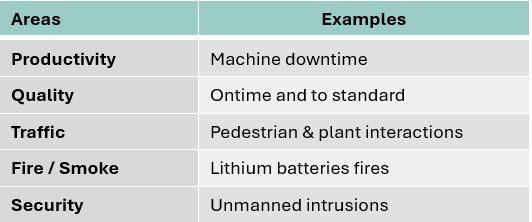
What if your existing security cameras could do more than record footage?
With AI-enabled real-time critical control surveillance, you can transform passive CCTV into an active layer of operational intelligence, helping detect critical risks as they happen, trigger triaging, instant alerts, and transform critical risk management rom periodic verifications to constant surveillance of critical control effectiveness.
Operational impact
Critical events are often missed in real-time.
Many high-risk environments are unmanned or under-monitored.
Existing CCTV is frequently underutilised, recording incidents instead of prevention.
What AI Adds to Your Current CCTV Setup
Real-time monitoring of camera feeds for at risk behaviours and conditions.
Immediate incident notification, triage, and escalation.
Constant verification and measurement of critical control effectiveness.
A centralised view across sites, without replacing your current camera infrastructure.
Benefits of AI‑Enabled Critical Control Surveillance
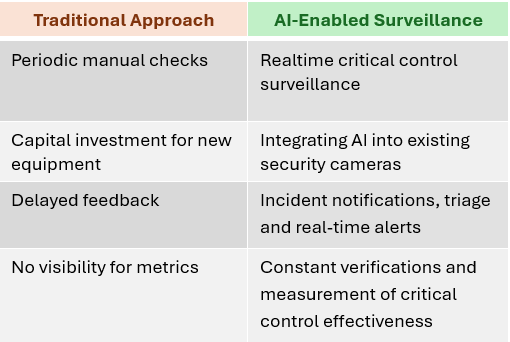
Compare critical control checks using a traditional approach vs AI-enabled surveillance:
If your team is exploring how to improve safety, response time, and control assurance, reach out to our team to schedule a free demo.
FEFO Consulting will collaborate with myosh to deliver a 3-part webinar series titled Critical Risk Management. Critical Risk Management is an internationally recognised approach focusing on critical controls to prevent and mitigate rare but potentially catastrophic and fatal events.
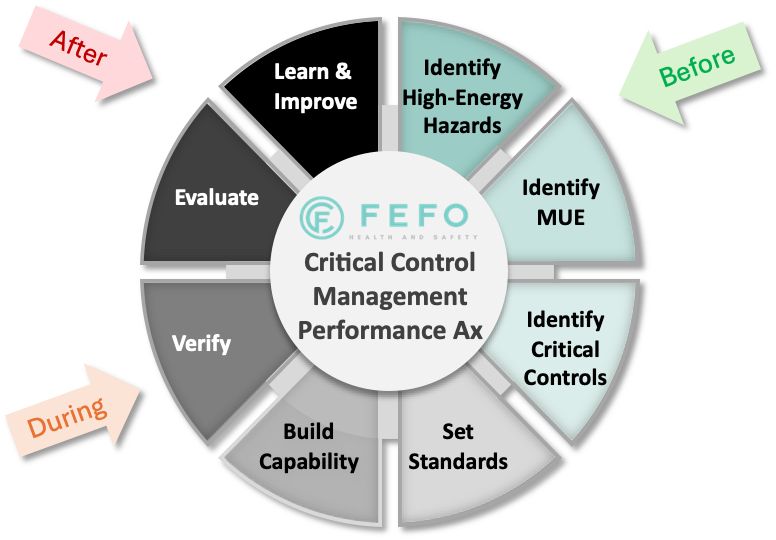
This Critical Risk series focuses on key aspect of critical risk management before, during and after critical work to cover:
Work imagined: Assess high energy hazards and identify critical controls
Work done: Verify critical control effectiveness
Learning from work: Review, learn and improve to strengthen critical controls.
Webinar 1: Work Imagined – Strengthening Critical Controls Before Work Begins
Workimagined by assessing high energy hazard and identify critical controls.
Presenter: Garrith Parker and Bradley Brooks, Senior Consultants at FEFO Consulting
In this session, we will guide you through:
Understand unique precursors to serious injuries and fatalities (SIFs) and Material Unwanted Events (MUE)
Explore options to assess high-energy hazards
Understand the benefits of HECA assessments and training prior to work commences.
Click below button to download our High Energy Control Assessments (HECA) Fact Sheet_Planning
Contact us to learn more about our structured Critical Control Management Performance Assessment or to explore our critical risk control management courses and training.
Does your organisation make decision based on actual or potential consequences?
What about high vs low severity?
Recent research published in the Journal of Construction Engineering and Management reveals the distinct causes of low- and high-severity injuries, challenging long-standing beliefs in the safety profession.
Proximal Causes of Low- and High-Severity Injuries
This recent study highlights that minor injuries don’t simply result from less severe versions of the same factors that cause major injuries. Instead, they often stem from entirely different circumstances and require distinct preventative strategies.
Research related to the causes of high and low-severity injuries and the proximal causes (Bhandari, 2024)1:
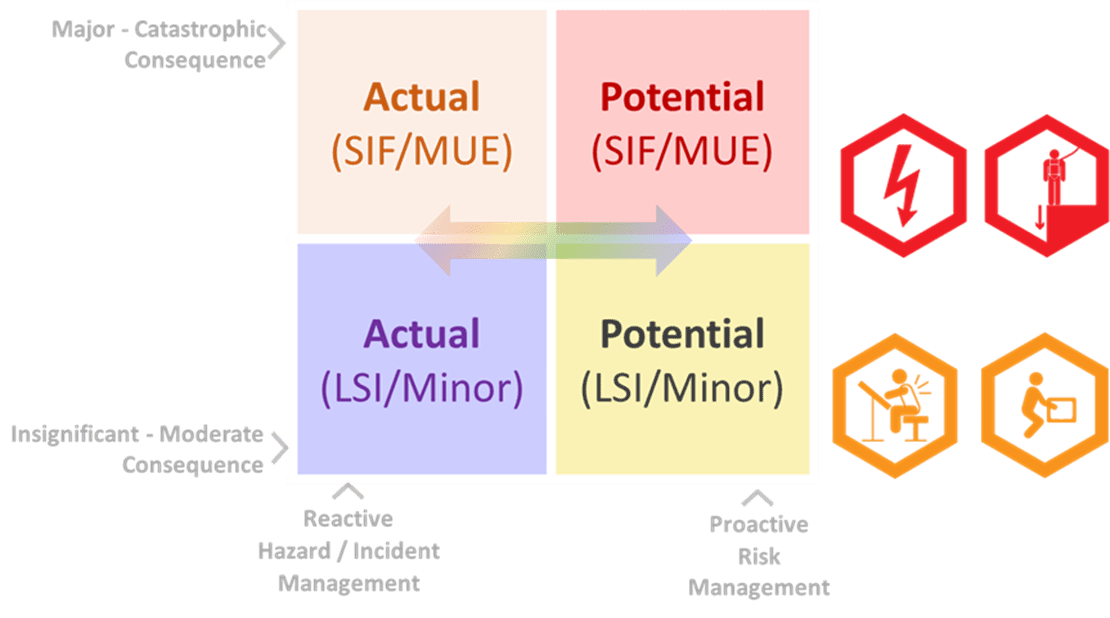
1. Low-Severity Injuries (LSI): Used to broadly refer to injuries that are less than serious (i.e., actual injuries that are not life-threatening, life-altering, and life-ending), e.g. often routine tasks involving repetitive motions, minor slips, trips, or falls, or the handling of tools and materials. Although low severity of harm, can still significantly impact a worker’s well-being. work productivity and costs. In particular, secondary psychological claims.
2. High-Severity/Serious Injury or Fatality (SIF): Conversely, SIF is used to refer to higher-severity injuries (i.e., life-threatening, life-altering, and life-ending injuries as defined by Bayona et al. (2023)2. Also often referred to Material Unwanted Events (MUE) to capture major or catastrophic events that create harm to people, property, environment etc.
Potential serious injury or fatality (PSIF) refers to an incident that could have resulted in a serious injury or fatality if not for certain barriers or countermeasures. Essentially, these are potential events or near-miss events that had the potential to cause significant harm but did not due to various preventive measures (Campbell Institute, 2022)4. Also often referred to as high potential events (HiPo).
Key Findings of the Study
1. No Difference Between SIF and Potential SIF (PSIF) Cases
The study found that there were no discernible differences between actual SIF cases and potential SIF (PSIF) cases. This suggests that the underlying causes of these incidents are closely related, highlighting the importance of addressing potential risks with the same rigor as actual incidents.
Unfortunately, one key limitation of this study was the evaluation of the misconceived industry practice of organisations making decision purely on actual consequences of injury classifications e.g. Loss Time Injury (LTI) and Medical Treatment Injury (MTI). This often drives undesired behaviour to hide / change classification of injuries rather than focusing on the real potential, i.e. regardless of the actual injury classification, focusing on material risks, potential severity and worst-case scenarios.
A great culture is when potential worst-case scenarios are reported and travel fast up the organisation hierarchy and leaders respond with urgency.
What is the welfare of our people?
What can we learn?
What can we do better?
2. Two Critical Factors Comparing Low vs. Serious (Potential or Actual) Severity
The research identified two significant factors that distinguished low vs high severity:
Absent Direct Controls: The absence of direct controls is a critical differentiator. The study states that “the odds that a SIF involves a missing direct control is about two orders of magnitude higher than an LSI.” This emphasizes the importance of having effective and reliable safety controls in place to prevent serious incidents.
Absent or Not Followed Work Plan: The absence of a work plan or failure to follow an existing plan also plays a significant role in the escalation of incidents from low severity to potentially fatal outcomes. Proper planning and adherence to work plans are vital in preventing serious injuries.
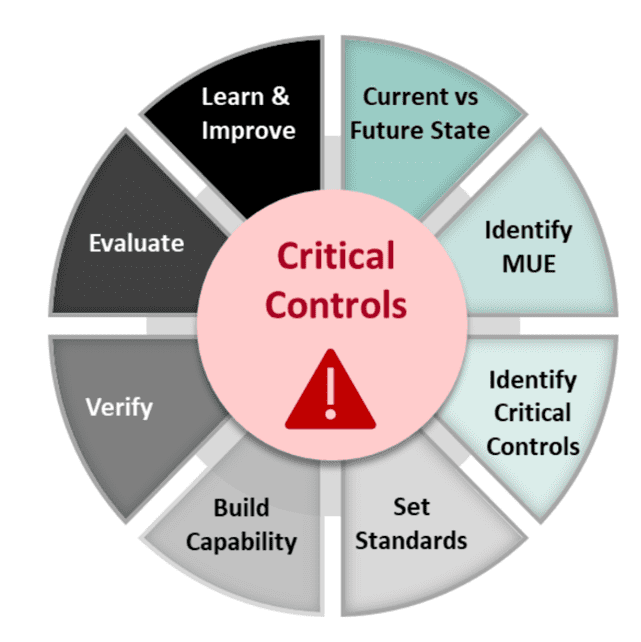
Typical Critical Control Management Process
3. Control of High-Energy Hazards is Vital
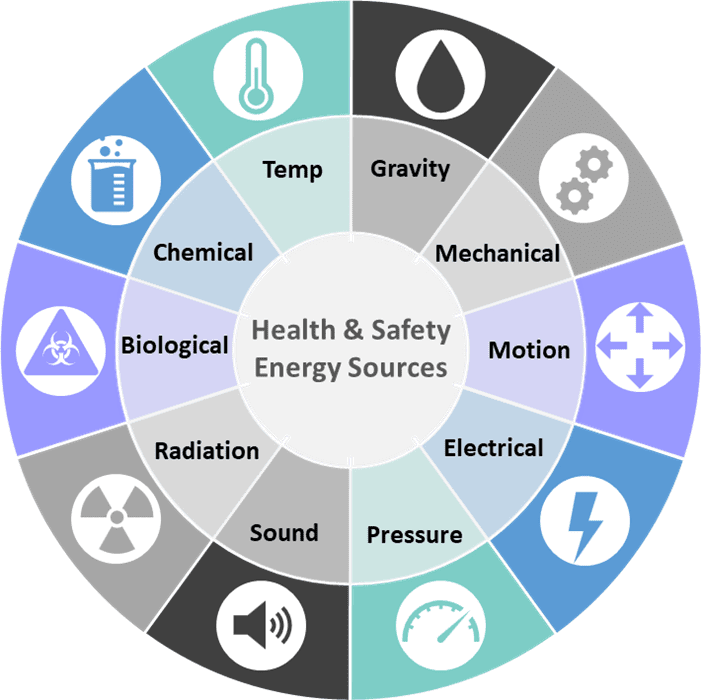
The study highlights the importance of controlling high-energy hazards, which are defined as hazards involving 1,500 joules (J) or more. Effective work planning, discipline, and execution are crucial in mitigating these risks. This supports the theory that a differentiated approach is necessary to reduce the rate of serious injuries and fatalities in construction.
High-Energy Hazard Wheel
Implications for Health, Safety & Environmental (HSE) Management
The findings of this study have significant implications for HSE management:
Shift in Focus to Systemic Controls: The study suggests that safety practices should prioritise the control of high-energy hazards and the implementation of effective work plans over traditional human behaviour-focused interventions associated with higher frequency / minor impacts. This shift could lead to more effective strategies for preventing SIFs.
Differentiated Approach to HSE: A one-size-fits-all approach to safety may not be effective in preventing serious injuries and fatalities. Instead, a differentiated approach that specifically targets the factors that contribute to SIFs is needed.
Re-evaluation of HSE Practices: The notion that “the things that hurt people are not the same as the things that kill people” is gaining traction within the safety profession. This perspective encourages a re-evaluation of current safety practices, with a focus on preventing the most severe incidents rather than just reducing overall injury rates.
Do you have a hazard taxonomy aligned with sources of high-energy?
Is your hazard taxonomy aligned for both proactive risk management and reactive incident management?
Leveraging Proactive HSE
The study also highlights the importance of learning from near misses with the potential for SIFs. By monitoring and analysing these incidents, organisations can expand proactive decision-making opportunities and enhance their HSE programs.
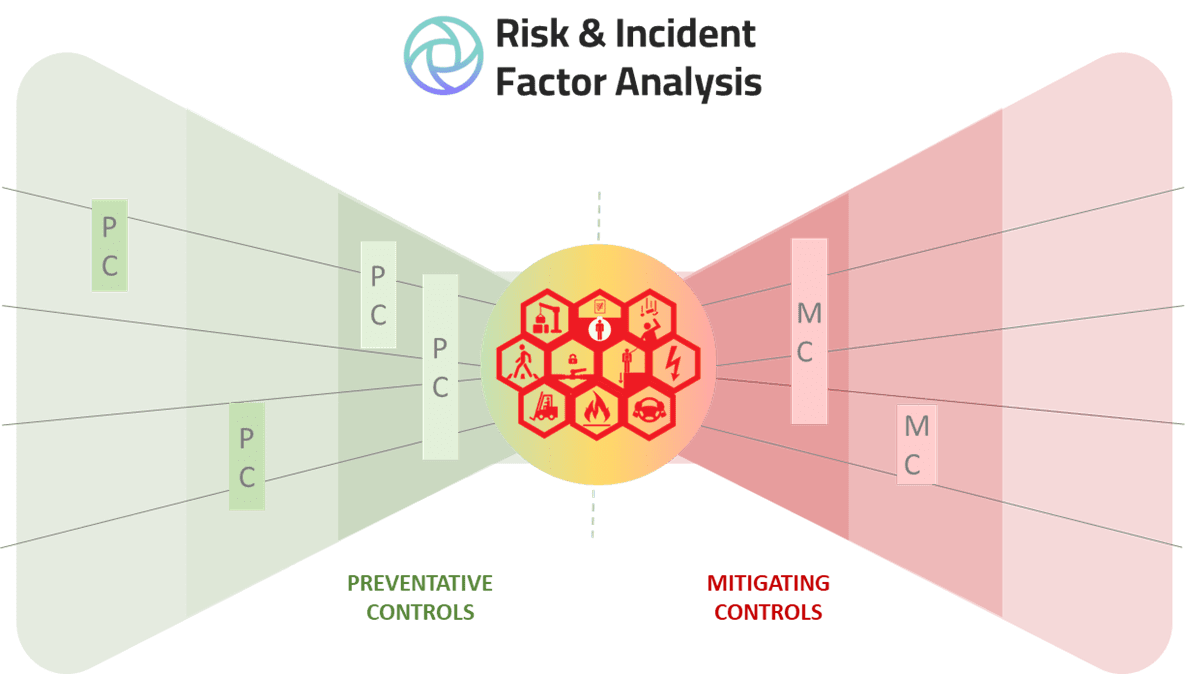
Taking this a step further, focusing on potential material events before near miss events unfold and identifying critical controls associated with high-energy hazards. This includes providing robust governance and assurance on the effectiveness of critical controls. This also reinforces the benefits of moving away from using injury classifications as thresholds for making important decisions.
FEFO RIFA Model
In conclusion, this research underscores the necessity of a differentiated approach to HSE management, emphasizing the control of high-energy hazards and the importance of proper planning and execution. By focusing on these key factors, we can make significant strides in preventing serious injuries and fatalities in the construction industry.
Hazard Taxonomy: Checking you unique HSE hazard taxonomy is aligned with both proactive risk and reactive incident management.
Material Risks: Understanding your material risks and assurance on critical control effectiveness – Download our ‘Critical Risk and Control Management Roadmap’ here.
Bhandari, B. a. (2024). The Things That Hurt People Are Not the Same as the Things That Kill People: Key Differences in the Proximal Causes of Low- and High-Severity Construction Injuries. Journal of Construction Engineering and Management . ↩︎
Bayona, e. a. (2023). What Is a Serious Injury? A Model for Defining Serious Injuries & Fatalities. ASSP↩︎
Campbell Institute. (2022). Campbell Institute. Retrieved from Campbell Institute: https://www.thecampbellinstitute.org/wp-content/uploads/2022/03/Campbell-Institute_Serious-Injury-and-Fatality-Prevention-Leading-Indicators-Cumulative-Risk-and-Safety-Networks.pd ↩︎
As part of the FEFO Consulting business strategy, we aim to “Celebrate Success” by purposely pausing, reflecting, and also sharing lessons learnt with our team, partners, and clients.
In the previous year, we have worked across several different industries to help organizations understand their material risks and ensure critical controls are effective to prevent fatalities and catastrophic events. Examples include:
Energy and Power
Retail
Manufacturing
Mining
Ports
Local Councils
Construction
Transport
and several more.
Importantly, each organization is different and needs vary. Notwithstanding this, there are common attributes that assist with enabling effective critical risk management outcomes.
Here are the Top 3 Tips from the previous twelve months.
1. Integration
It’s important to integrate risk management into various business processes to ensure that risk considerations are embedded in decision-making. At FEFO Consulting, we help organizations identify “Touch Points”, and simple ways to integrate critical controls.
These touch points are strategically identified to enable control to become part of normal operations, rather tahn an add on or operate in isolation to ultimately add value.
2. Adaptability
The program should be flexible and adaptable to evolving risks and business environments.
Taking advantage of new technology can also enable data to be captured, a threshold to trigger an automated response and ultimately controls and be seamlessly verified as effective.
In recent months we partnered with myosh and the Port Authority of NSW to build a Critical Risk Management program.
3. Feedback Loops
Outputs or results of Critical Risk Management can be used as input for further improvement or adjustment. It involves receiving information or feedback, analyzing it, and then making necessary changes to enhance performance or achieve desired outcomes. Feedback loops ensure Critical Risk Elements remain relevant, e.g.
Are Material Wanted Events (MUE) still relevant?
Are Critical Controls still relevant?
Are Critical Control touch points still relevant?
Positive feedback loops amplify a particular effect, leading to rapid growth or escalation. Negative feedback loops, on the other hand, dampen or counteract an effect, promoting stability and balance.
Examples of feedback loops include performance reporting, real-time data, coaching conversations, and other methods to share learning.
For more information on typical phases of a Critical Risk Program, refer to our 5-part webinar series or contact us / +61 1300 909 649.
Don’t miss out on our Newsletters!
Sign up for industry leading news, case studies and informative videos…
Belgravia Health and Leisure Group (Belgravia) is the fastest growing leisure management organisation in Australia and has over 30 years’ industry experience.
Belgravia recently engaged FEFO Consulting to provide independent verification of systems and operational activity across Australia and New Zealand, which reinforces our ability to be an additional trusted resource to compliment existing teams.
Often referred to as Business Process Outsourcing (BPO), this is a method of using third-parties to add business value.
BPO’s have traditionally been used for Customer Service, Accounting, Payroll and Human Resource Management.
Trent O’Hara, Group Manager Workplace Health and Safety at Belgravia Health and Leisure Group provides commentary with an interview on his experience using a BPO for health and safety.
Critical Control Management – Unintended Consequences of Getting it Wrong!
Critical Control Management (CCM) is an internationally recognised approach for organisations to improve the management of potentially fatal and major unwanted events.
Is a CCM program relevant for you?
Are your metrics driving the right behaviour?
Are you overly reliant on injury statistics?
Are you focused on quantity of activity, rather than quality of controls?
Do your operations have a health level of chronic unease?
But where do you start?
Often organisations struggle to understand how to get started, how to deploy effective programs or avoid unintended consequences. By nature, critical controls are critical, so understanding how to manage CCM is often a key strategic priority for most organisations.
This 6-part series will provide simple and effective tips on how to deliver a CCM.
This will include case studies, shared learning, and guest speakers from several multinational organisations eg, Lockheed Martin, Jones Lang LaSalle (JLL) and Natural Resource Australasia.
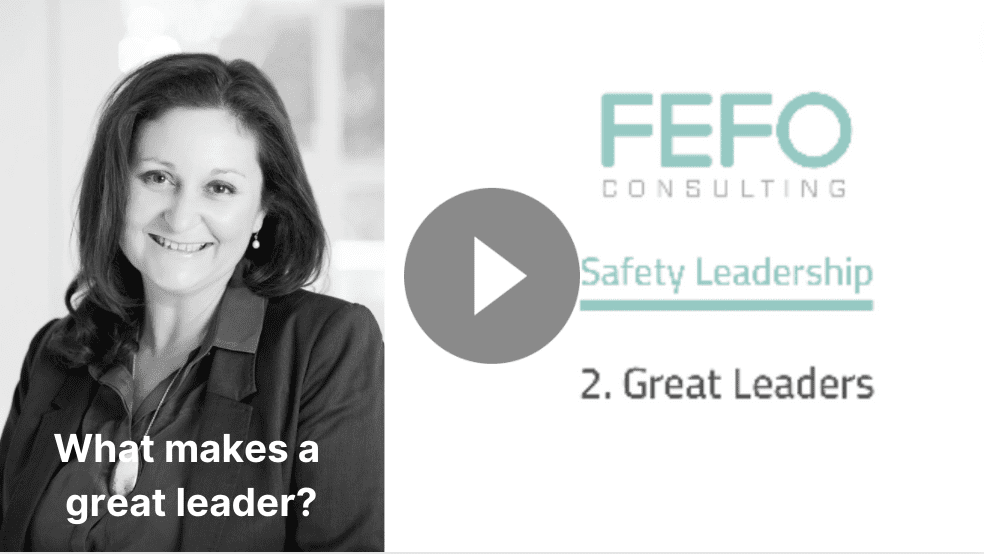
What Makes a Great Leader: Authenticity, empathy and more!
An effective safety leadership program can transform culture, drive strategy and prevent unwanted events.
The video below is 2 of a 5-part series. These five videos form the backbone of our leadership program and the ingredients to build a high-performance culture!
FEFO Consulting have a pool of great leadership facilitators who are now looking forward to COVID freedom and ready for some face-to-face facilitation time!
Contact us to discuss how we can help you measure, focus and act on creating great leaders.
Contractor Safety: How much is too much?
FEFO Consulting recently delivered a webinar with the Australian Institute of Health and Safety (AIHS) on contractor safety.
How much influence and control is reasonable when managing contractor health and safety?
Key takeaways:
Different types of contractors
Segmenting contractors
Collaborating with contractors
Measuring contractor safety performance
Click here to read more about this webinar, or contact us for a free 2-hour discovery session during the month of November 2021 to assist with contractor safety and an outline of our new Contractor Safety Workbook.
Managing safety in the lead up to Christmas will be different this year… but how?
Across many industries and business sectors, the end-of-year festive season can see an increase in the risk of workplace injuries (GIO, 20201).
In recent years the causes of workplace incidents in the lead up to Christmas often include rushing, overtime, stress (work and personal) and simply not focusing on the task at hand.
This year as we get closer to the festive season, we will also be emerging from our second year of lockdowns and Covid-19 restrictions. Many workers might be returning already fatigued from a second year of lockdown!
A few questions for your teams:
Mind on Task: How can we work with our teams to mind on task?
Eyes on Task: What are you doing today to keep your eyes on task?
Line-of-Fire: What can we do to keep on track and out of the line-of-fire?
Critical Few: Are you focused on the critical few – your critical controls?
How are you preparing for the Xmas rush?
Dates for the Diary
Critical Control Management (CCM)
6-part webinar series every weekly, starting 27 October.
FEFO Consulting recently launched our Critical Control Management (CCM) Workbook, a step-by-step guide to effectively managing critical controls. Our Workbook provide a framework for taking a risk-based approach aligned with international guidance and experience with multiple CCM implementation projects.
This CCM workbook covers:
Material Unwanted Events & Critical Controls
Standards & Capability
Verification & Evaluation
Review, Learn & Improve
Our self-directed CCM Workbook is supported by a simple self-assessment tool providing a selection of 5 different options based on desired maturity levels.
5-Part Webinar Series: Critical Control Management (CCM)
FEFO Consulting is delivering a 5-part series which will provide simple and effective tips on how to deliver a CCM. This will include case studies, shared learning, and guest speakers from several multinational organisations, like Lockheed Martin, Jones Lang LaSalle (JLL), and Natural Resource Australasia.
5-Part Webinar Series
1. Material Unwanted Events (MUE)
This webinar is Part 1 of 5 and provides a simple Introduction to identify Material Unwanted Events (MUE) with high potential consequences. Practical case studies also include tips on mapping major hazards and safety materiality.
Health and Safety Materiality
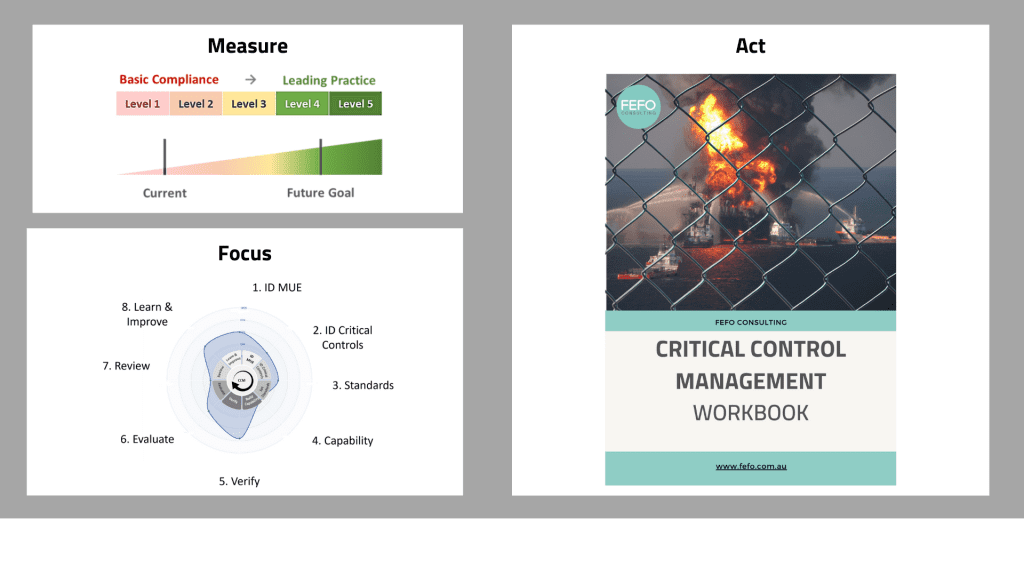
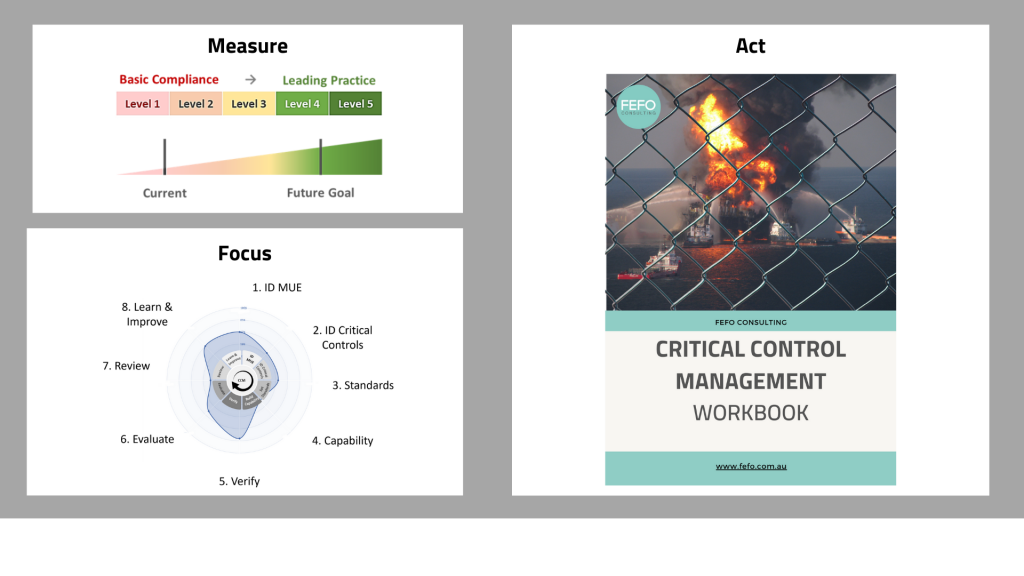
Measure | Focus | Act
2. Critical Controls
This webinar is Part 2 of 5 and outlined different types of risk analysis option when evaluating Material Unwanted Events (MUE) and methods to identify critical controls. A practical case study will also be provided outlining how to identify critical controls pitfalls.
Pitfalls and Leading Practices
Case Study
3. Critical Control Performance Standards
This webinar is Part 3 of 5 and outlined options for setting critical control performance standards. In additional, practical case studies were provided on setting expectations for assurance activity and attributes of effective critical controls.
70:20:10 Principles
Getting the Basics Right First
4. Critical Control Verification
This webinar is Part 4 of 5 and outlined options for verifying critical controls and evaluating a broader Critical Control Management (CCM) program . In additional, practical case studies were provided by Rebecca Crompton, General Manager, HSE from BSA Ltd.
Checking What Matters!
Supply Chain Critical Controls
Shifting Mindsets
5. Critical Control Performance Mesurement
This webinar is Part 5 of 5 and outlined options for Critical Control Management (CCM) performance measurement. This also included options for a balance scorecard and insights on Environment, Social and Governance (ESG) reporting from Wade Needham, General Manager, EHS, Natural Resources Australasia.
Impact of Poor CCM on Shareholder Value
Lead, Lag and Predictive Indicators
Identifying Specific Behaviours
Our Unique Assessment Method
What is your Current vs Desired State?
Not all businesses are created equal. Different industry, needs, stakeholders and capability. For this reason, we developed a 5 Level maturity assessment approach, allowing organisations to set their own goals.
“Avoid using a sledgehammer to crack a nut!”
Choose your own goals, and we tailor both the assessment and solutions to meet your needs. Based on your results, we provide unique solutions to meet your need.
CCM Assessment
Tips for Critical Control Management (CCM)
Here are a few tips when outsourcing health and safety activity:
Measure – Evaluate current performance based on your unique context (Level 1-5) to understand current vs. desired state
Focus – Understand areas of focus to prioritise what is important
Act –Develop an action plan, identify expertise and resources needed to enable improvements that matter!
To learn more from our CCM case studies, refer to our Success Stories webpage.
Contact us for a free 1-hour discovery session during the month of November 2021 to assist with effective implementation of Critical Control Management (CCM) and avoid unintended consequences.
Is Chronic Unease Healthy?
Having a healthy level of chronic unease can help identify weak danger signals, reduce complacency and improve alertness. Just because a catastrophic event hasn’t happened, doesn’t mean it won’t!
Positive reinforcement of reporting near miss events, acting on weak danger signals and freely communicating good and bad news are all signs of a healthy culture. Examples of weak danger signals could include:
Unexpected maintenance results
Variations from good practice that has become tolerated
Noticing a colleague is distracted while carrying out a critical process
A decision to carry on that we think was made too quickly.
Critical Control Management (CCM)
Critical Control Management (CCM) is an internationally recognised approach1 for organisations to improve the management of potentially fatal and Major Unwanted Events (MUE). In particular, enabling organisation to ensure critical controls are effective.
Clownfish vs Sharks?
What’s an underwater diver’s biggest threat – Hundreds of clownfish or one great white shark attack?
Similarly, CCM focuses on Major Unwanted Events (Shark attack), rather than higher frequency events, that might have a lower consequence (Clownfish)!
Four Steps to Effective Critical Control Management
Identify Material Unwanted Events & Critical Controls: Confirm material risks and critical controls
Set Standards, Build Capability & Capacity: Set critical control expectation and confirm resources
Verify & Evaluate: Set methods to check and provide assurance
Review, Learn & Improve: Review to continually improve
To enable effective CCM outcomes, focus on:
Finding the missing controls that are needed, making note of the ones already in place, e.g., act, objects or systems.
Identifying which of those controls are critical, and
Enabling supervisors and managers to be able to monitor those critical controls effectively
To determine how effective your critical control verification activity is, it requires understanding the right mix of acts, objects and systems. At FEFO Consulting, we believe this means focusing on the critical few by asking questions like:
Are your metrics driving the right behaviour?
Are you overly reliant on injury statistics?
Are you focused on quantity, rather than quality of controls?
Do your operations have a healthy level of chronic unease?
Additional resources can be found by viewing our case studies from BSA and JLL success stories.
If you’re looking to understand how you can effectively verify your own critical controls, have meaningful conversations about safety to prevent major unwanted events and enable improvements in your organisation, contact us today to see how we can help.
Download our Simplified Guide to Critical Control Management
How effective is your critical control verification activity?
Critical Control Management (CCM), often referred to as Critical Risk Management, is an internationally recognised approach1 for high risk organisations . It focuses on effective critical controls to prevent and mitigate those rare but potentially fatal and major unwanted events.
Industry-leading CCM should include the following steps:
Identify Material Unwanted Events & Critical Controls: Confirm material risks and critical controls
Set Standards, Build Capability & Capacity: Set critical control expectation and confirm resources
Verify & Evaluate: Set methods to check and provide assurance
Review, Learn & Improve: Review to continually improve
To enable effective CCM outcomes, focus on:
Finding the missing controls that are needed, making note of the ones already in place, e.g., act, objects or systems.
Identifying which of those controls are critical, and
Enabling supervisors and managers to be able to monitor those critical controls effectively
But one of the most challenging aspects of a successful CCM is the implementation of the verification process. The verification output of any CCM is one of the most significant enhancements of previous good practice risk management, because it provides feedback. And, as one of my clients put it, “Feedback is the breakfast of champions!”.
Verification is outlined in the ICMM as “the process of checking the extent to which the performance requirements set for a critical control are being met in practice”. This means that the verification process should align with the defined Critical Control (CC) performance requirements and supported by effective conversations.
In 2020, the Health and Safety Index2 result for senior managers having visible effective safety conversations was 57%, much lower than the overall Health and Safety Index result of 74%
Just make sure you don’t get verification confused with other assurance processes like auditing. Defining verification as a unique CCM term will allow you to evaluate performance in parallel with other data such as Loss of Primary Containment (LOPC) events that are based on actual and potential consequence.
To determine how effective your critical control verification activity is, it requires understanding the right mix of acts, objects and systems. At FEFO Consulting, we believe this means focusing on the critical few by asking questions like:
Are your metrics driving the right behaviour?
Are you overly reliant on injury statistics?
Are you focused on quantity, rather than quality of controls?
What is your experience with measuring critical controls?
Additional resources can be found by viewing our Broadspectrum case study video or BSA and JLL success stories.
If you’re looking to understand how you can effectively verify your own critical controls, have meaningful conversations about safety to prevent major unwanted events and enable improvements in your organisation, contact us today to see how we can help.
What we do
We help organisations simplify critical aspects of health and safety by strengthening controls and enabling high performance.