
eLearning – Health & Safety
Health and Safety Index
Health and Safety Dx Diagnostic Survey
Safety Intelligent Monitoring
Psychosocial Dx Diagnostic Survey
Consulting has multidisciplinary team to apply global evidence & research informed practices into practical mental health & wellbeing programs for our clients.
Safety Leadership Self-Assessment
Safety Software & Technology
Translate tech talk into simple solutions to enable high performance.
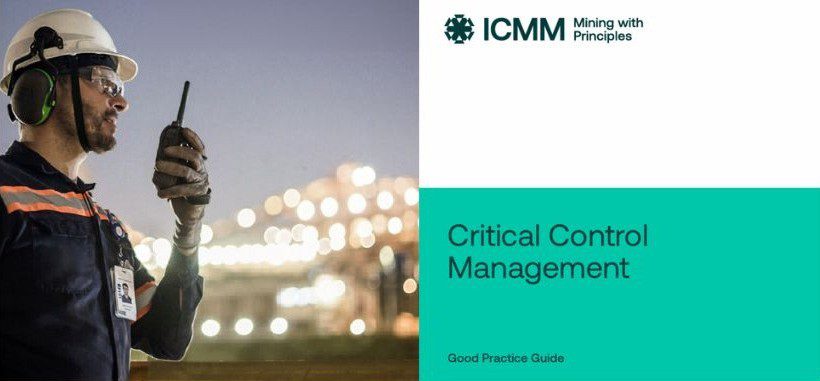
Critical Risk Control Management
Critical risk control management enables organisations to target the critical few assist boards
Psychosocial Risk Assessments
Consulting has multidisciplinary team to apply global evidence & research informed practices into practical mental health & wellbeing programs for our clients.
Safety in Design (SiD)
Consulting value the benefits of applying effective safety in design early in the asset lifecycle.
Strategy 4 Safety (S4S)
Strategy 4 Safety (S4S) applies leading industry practices for organisational business strategy to support safety professionals with health and safety strategy.
Contractor Health and Safety
We provide expert advice across the end-to-end lifecycle of contractors and suppliers.
Event Safety Management
We enable infrastructure and operations plan, build and deliver successful events.
Leadership Development
Consulting specialise in helping organisations assess, focus and improve their approach to building high-performance cultures with targeted safety interventions
Management Systems (ISO & FSC)
Consulting has extensive experience in developing, evaluating and auditing health, safety, environmental and quality management systems
Mental Health Training
Outsourced Health and Safety Experts
We provide flexible health and safety Business Process Outsourcing (BPO) options at speed.
Training & Competency
Transport Safety
Consulting help organisations simplify and manage Chain of Responsibility
Audit & Assurance
Consulting has an expert team of consultants available across Australia and New Zealand to provide independent audit activities.
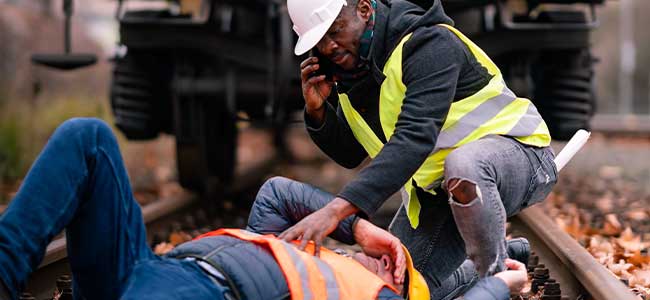
Incident Investigations
Consulting has designed a unique Risk and Incident Factors Analysis (RIFA)
Federal Safety Commissioner (FSC) Accreditation
Psychosocial Performance (Maturity) Assessments
WHS Performance (Maturity) Assessment