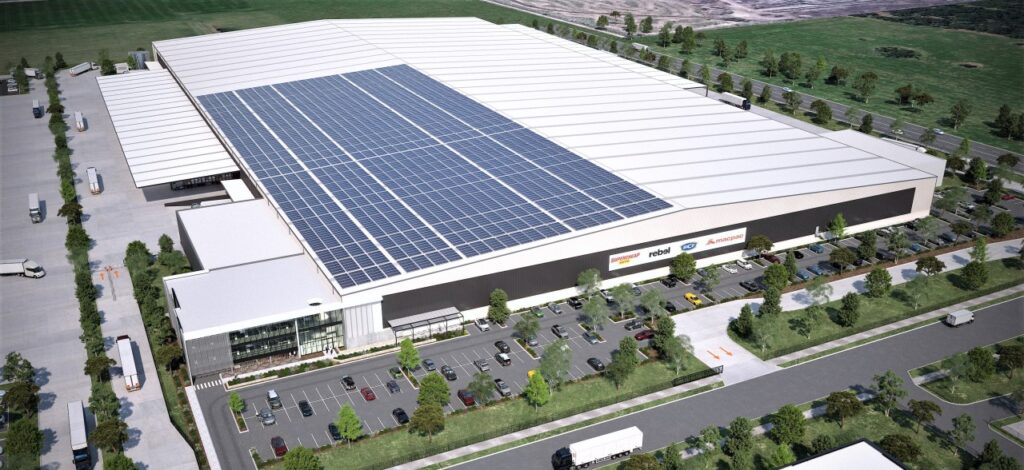
A major national retailer listed on the ASX has recently brought to life one of the most advanced distribution centres in the country — a 65,000‑square‑metre facility, roughly the size of nine football fields, designed to accelerate fulfilment, reduce reliance on external storage, and uplift both efficiency and safety outcomes.
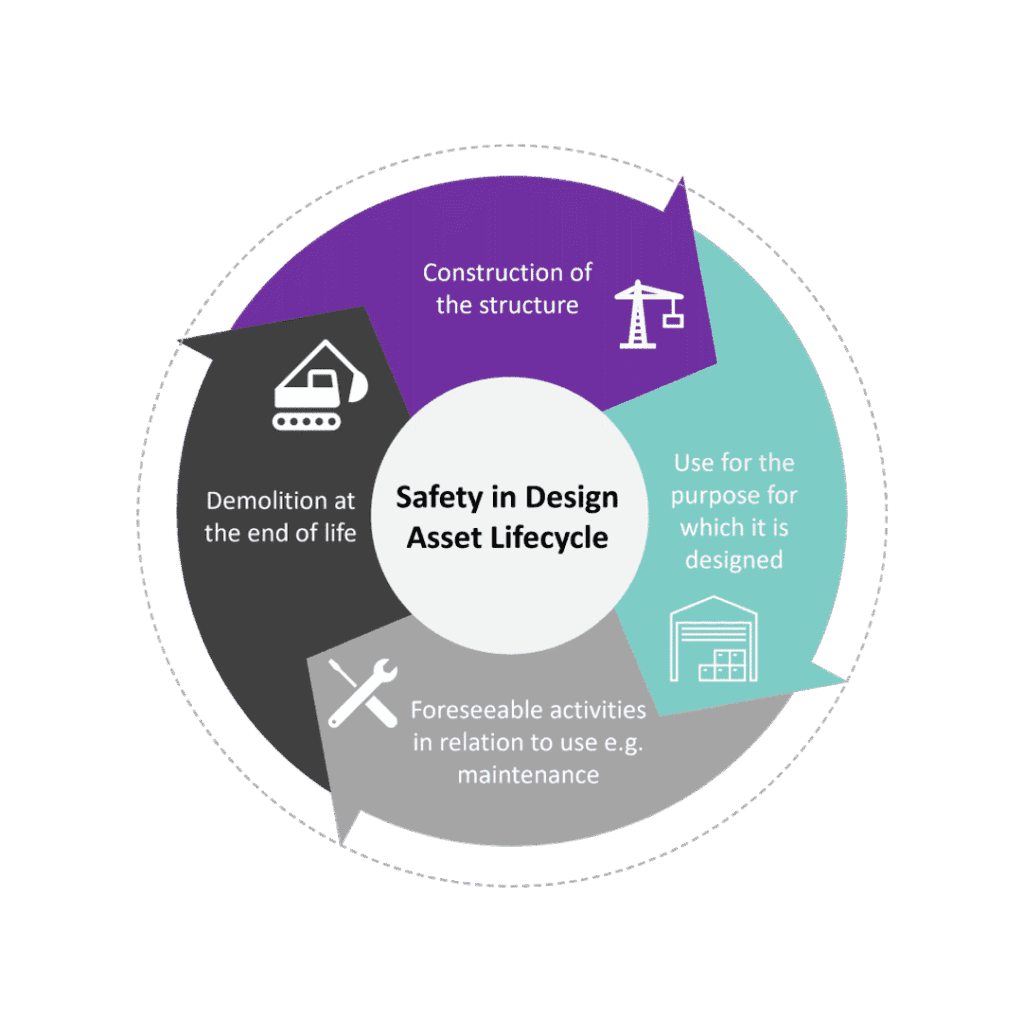
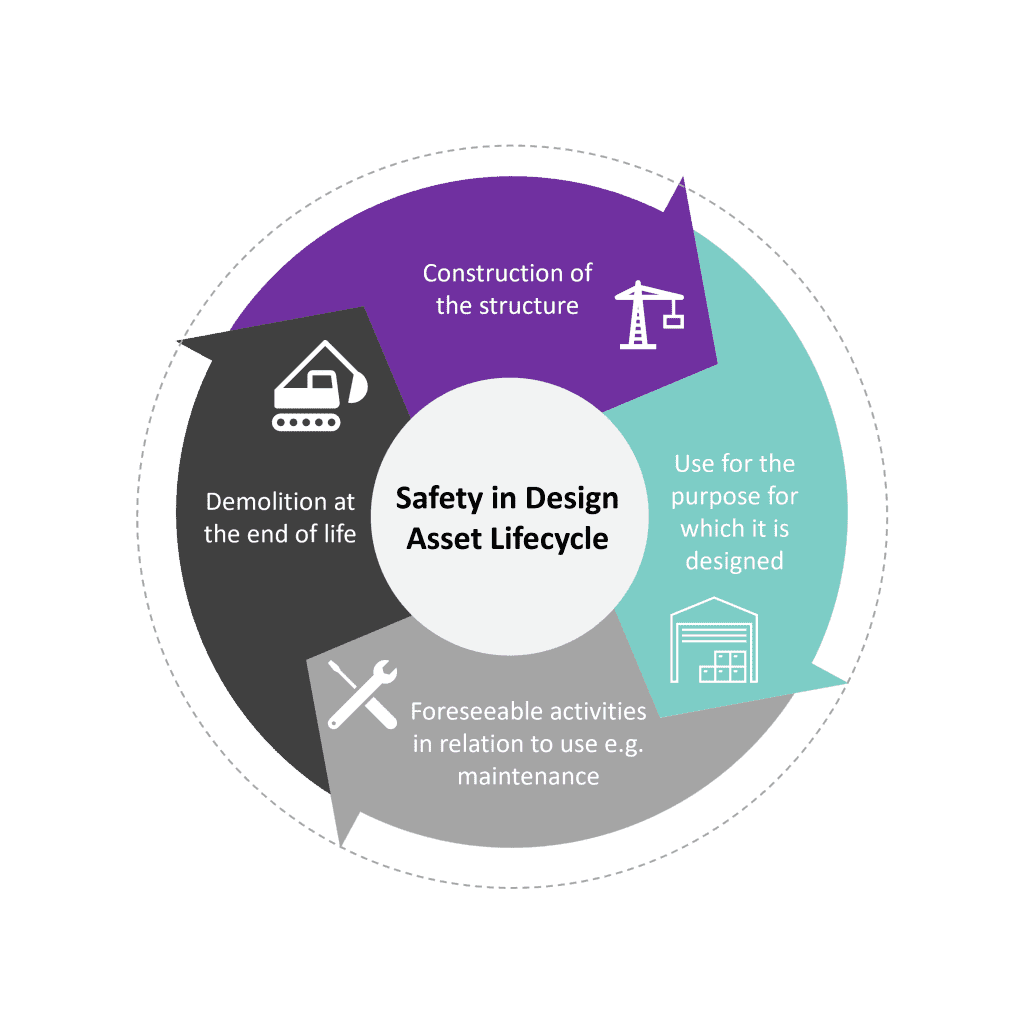
Across a 24-month period, FEFO Consulting has been embedded in this journey from day one. What sets this project apart is the continuity of health and safety expertise applied across the entire asset lifecycle — from early concept and Safety in Design through construction, commissioning, and now into operations and maintenance.
This integrated approach ensured risks were eliminated early, controls were engineered into the asset, and safety became a seamless part of how the facility operates.
Safety in Design: Engineering Out Risk Before It Begins
From the earliest planning stages, FEFO Consulting partnered with designers, engineers, and operational leaders to shape a facility that is inherently safer and optimised for high‑throughput automation.
Key contributions included:
Early hazard identification – mapping foreseeable risks across automated systems, high‑bay storage, pedestrian interactions, and vehicle movements.
Design optimisation – influencing layout, equipment selection, and traffic flows to remove or minimise risks at the source.
Integrated engineering controls – embedding robust safeguards that reduce reliance on procedural controls later in the lifecycle.
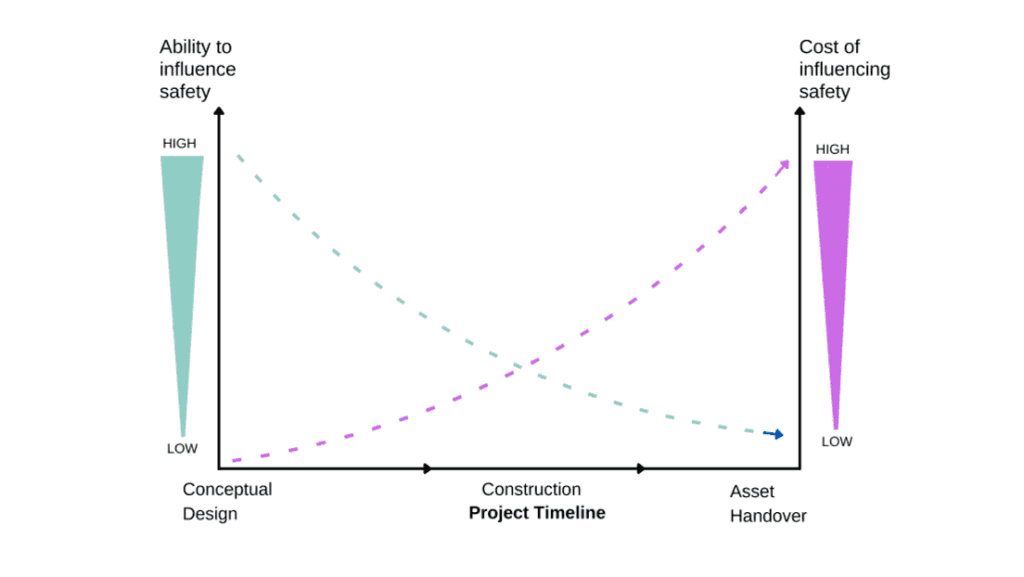
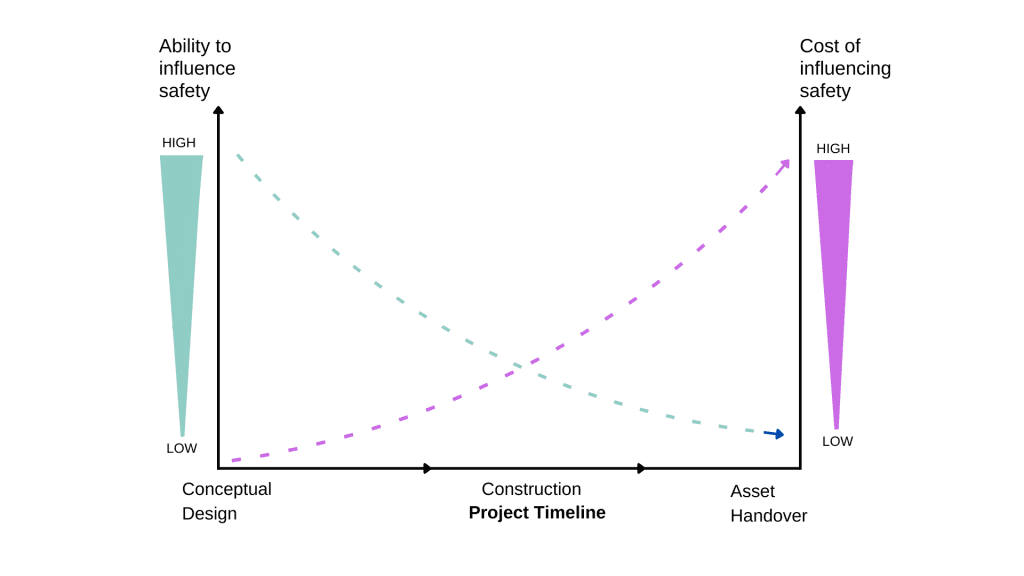
By addressing risk at the design table, the project avoided costly redesigns and created a safer foundation for construction and future operations.
Construction Phase: Translating Safe Design Into Safe Delivery
As the project moved from drawings to reality, fefo Consulting ensured that the safety intent established in design was carried through the build.
Our involvement included:
Contractor safety assurance – verifying alignment with Safety in Design requirements and ensuring critical controls were implemented correctly.
Critical risk management – focusing on high‑energy hazards such as automated equipment installation, working at height, and mobile plant interactions.
Interface coordination – supporting smooth collaboration between trades, designers, and client teams to prevent emerging risks.
This continuity protected the integrity of the design and ensured the facility was built safely and efficiently.
Operations & Maintenance: A Living, Adaptive Safety System
Now fully operational, the highly automated distribution centre is a core enabler of the retailer’s national supply chain. fefo Consulting continues to support the transition into steady‑state operations, ensuring safety systems evolve alongside the facility’s technology and throughput.
Our ongoing role includes:
Operational readiness – preparing teams, processes, and systems for safe commissioning and go‑live.
Maintenance risk controls – embedding safe systems of work for complex automated equipment and facility upkeep.
Continuous improvement – reviewing performance, strengthening controls, and supporting the facility’s long‑term resilience.
The result is a safety system that is not static, but dynamic – aligned with the pace and complexity of a modern automated distribution environment.
A Seamless, Asset Lifecycle Approach to Safety
This project demonstrates the value of involving health and safety expertise early — and keeping it engaged throughout the asset lifecycle.
FEFO Consulting’s integrated approach delivered:
Risk elimination at the source, long before operations began
Engineering‑led controls that support automation and reduce human exposure
Consistency and continuity from concept to construction to operations
A safer, more efficient, future‑ready asset for a major national retailer
This is what modern safety leadership looks like: proactive, embedded, and lifecycle‑driven.
A 6.5‑Year Journey from Safety in Design to World‑Class Operations
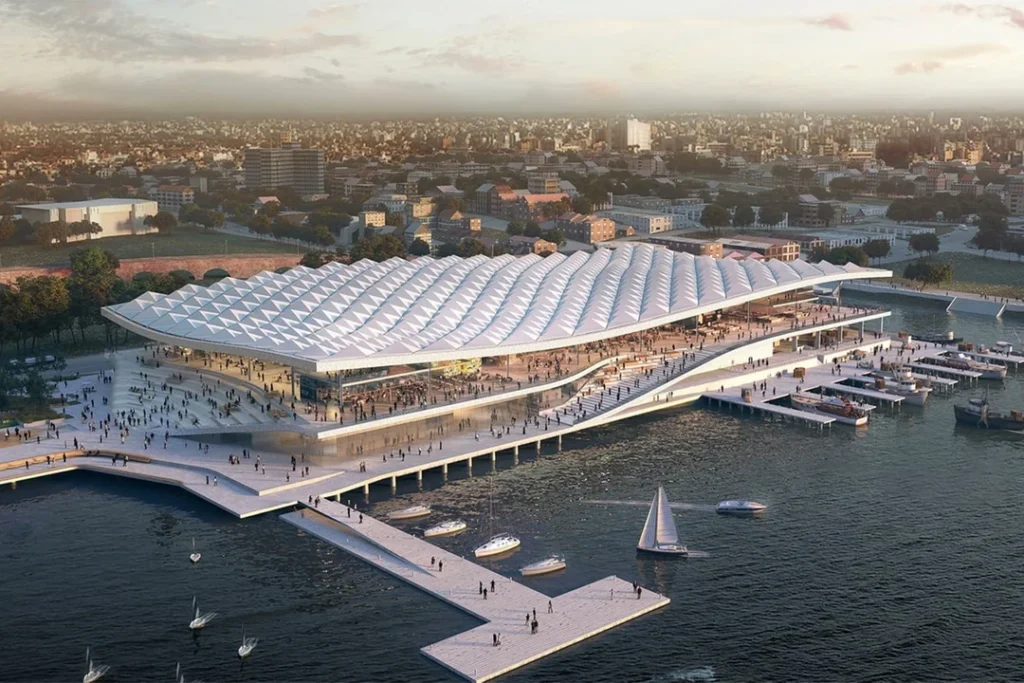
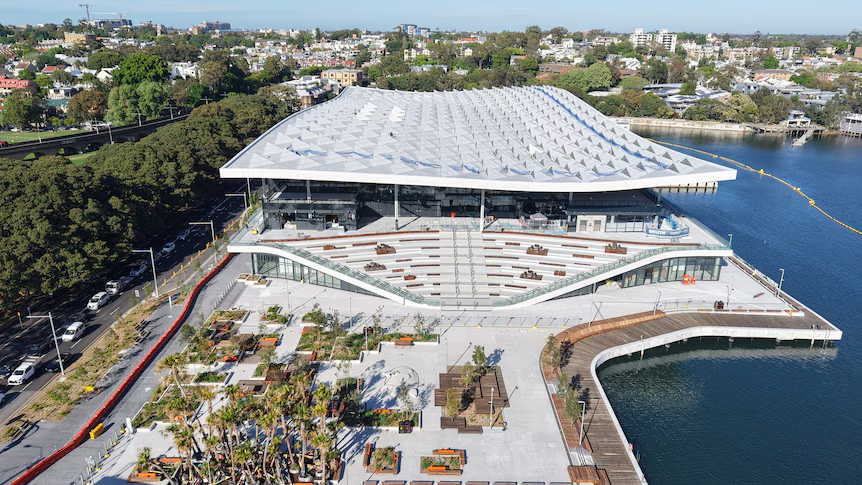
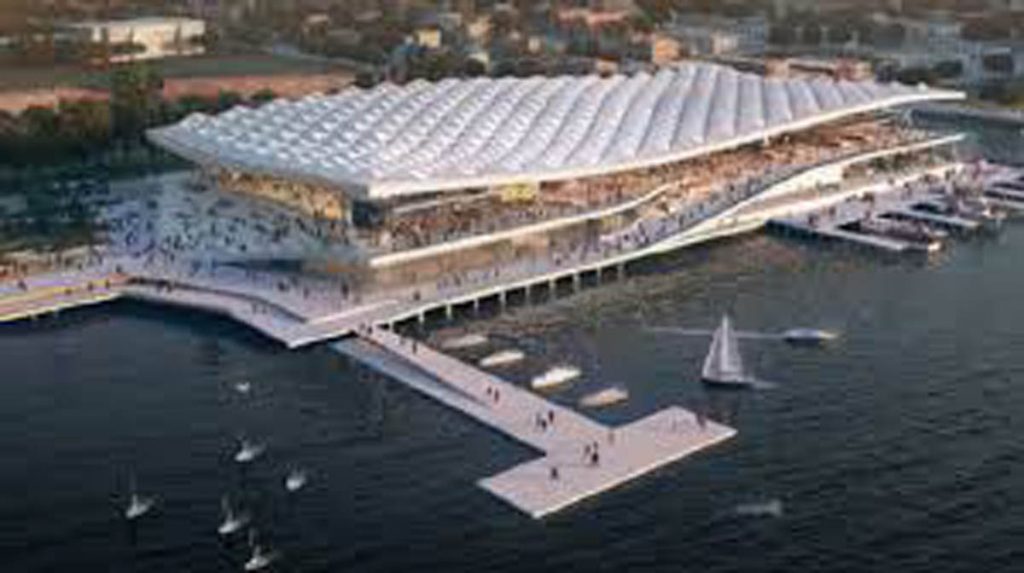
The long‑awaited new Sydney Fish Market officially opened its doors this week, drawing an extraordinary 40,000 visitors on day one. The scale and ambition of this project are unlike anything Australia has seen in recent years. Spanning an area equivalent to three Queen Victoria Buildings placed side‑by‑side, the facility now stands as the largest fish market in the southern hemisphere—and is already being hailed as the best fish market in the world.
For Fefo Consulting, the opening marks the culmination of a 6.5‑year partnership grounded by safety in design principles and incredible benefits.
Why Early Involvement Matters
Major infrastructure projects succeed when safety is embedded from the very beginning of the asset lifecycle. Mark Wright, Managing Director of FEFO Consulting was engaged well before a builder was appointed, with the first Safety in Design (SiD) workshop completed long before Multiplex came on board.
This early engagement delivered several critical advantages:
Clear risk visibility before design decisions were locked in
Stronger alignment between architects, engineers, operators, and future maintainers
Reduced redesign and rework, saving time and cost
A safer, more resilient asset that supports long‑term operational excellence.
By shaping the project from its earliest conceptual stages, Safety in Design helped ensure that safety, usability, and lifecycle performance were not afterthoughts—they were foundational.
A Global Benchmark for Safe, Sustainable Design
The new Sydney Fish Market is more than a landmark building. It’s a case study in how early, structured Safety in Design processes can elevate a project from functional to exceptional.
From complex logistics flows to public access, from cold‑chain integrity to marine‑side operations, the facility demonstrates what’s possible when safety, efficiency, and user experience are integrated into every design decision.
Our Role
Mark Wright from Fefo Consulting supported the project through:
Comprehensive Safety in Design facilitation
Multi‑stakeholder risk reviews across design stages
Integration of operational insights into design decisions
Alignment of safety, compliance, and lifecycle performance requirements
Guidance that supported the transition from design to construction and ultimately to commissioning
This long‑term involvement reflects FEFO’s commitment to helping organisations build safer, smarter, and more resilient assets.
A Milestone for Sydney — and a Proud Moment for Fefo
The opening of the new Sydney Fish Market is a milestone for the city and a testament to what can be achieved when safety, collaboration, and design excellence come together.
Fefo Consulting is proud to have contributed to many iconic building and infrastructure projects that will serve the community, industry, and visitors for decades to come.
Obtain a competitive edge and build effective Safety in Design capability.
Complete our Safety in Design (SiD) training, and obtain CPD points with Australian Institute of Architects (AIA). SiD is a proactive approach applied with construction design to effectively manage risk across the entire asset lifecycle.
Why it matters?
Effective safety in design has many benefits:
Win work with a competitive edge
User Experience (UX)
Brand & reputation
Legal compliance
Harm reduction
Costs savings.
What’s included in the program?
Receive practical tips on SiD legal duties and roles, risk management, change verifications, and communicating residual risk for downstream.
Who should attend?
Architects
Builders
Engineers and Designers
Commissioners and assets owners
Safety professionals.
Learning Objectives
Describe Safety in Design (SiD) basics and benefits
Mark Wright is a leader in health, safety, and organisational performance, blending governance, strategy, and consulting expertise to create measurable impact.
Mark’s experience extends across design, construction, operation and maintenance with Rio Tinto, Lend Lease and a Prosecutor with SafeWork NSW.
Mark has Bachelor of Science, Grad. Dip. in OHS, qualified lead auditor and investigator. He is also a member of the Australia Institute of Health & Safety (AIHS) and National Safety Council of Australia (NSCA).
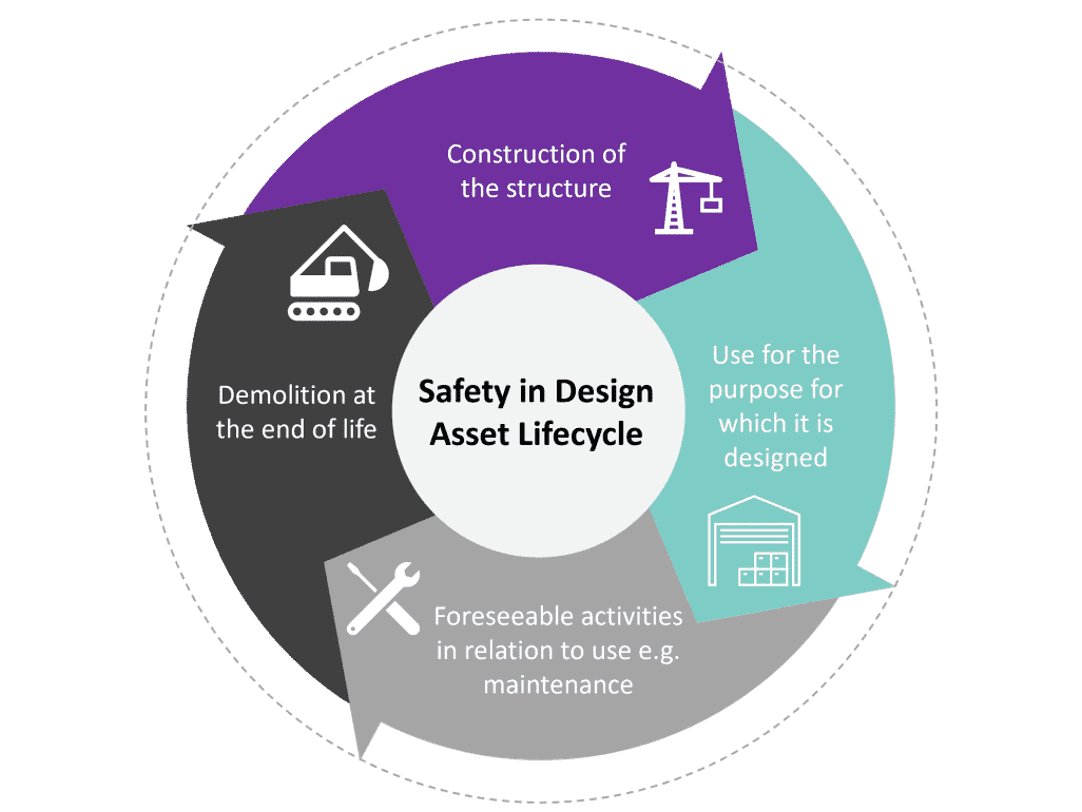
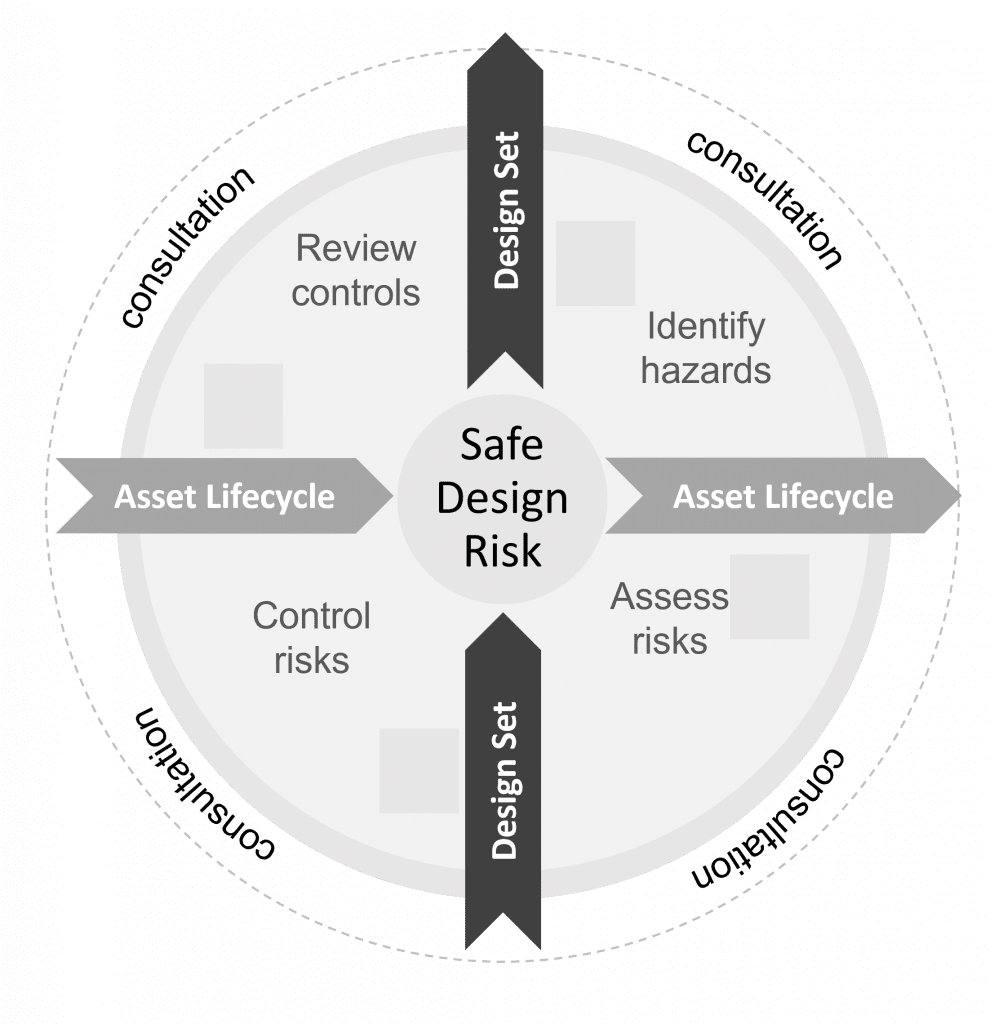
Safe design is the integration of hazard identification, risk assessment and control methods early in the design process to eliminate or minimise risks to health and safety throughout the construction and life of the structure being designed.
The designer should consider the design and its intended purpose, materials to be used, possible methods of construction, maintenance, operation and demolition and identify risks and control these risks through elimination, substitution, isolation, engineering, administration or personal protective equipment (PPE).
Download “Summary of Duties” Factsheet to understand the specific safety in design responsibilities of the Designer, Client and Principal Contractor.
Effective Safety in Design (SiD) enables proactive management risk and can assist with:
Ill-health and injuries
User experience
Cost reduction
Innovation and shared learning
Legal risks
Productivity during design, construction, operation, use, maintenance, and end of life
Damage to property and the environment, and the attendant costs
Health, wellbeing and productivity of workers
Eliminating hazards – this is often cheaper and more practicable to achieve at the design or planning stage than managing risks later in the lifecycle, e.g., retrofitting health and safety solutions.
Q3. What are key features of good safety in design?
Key features of safe design:
Consider the lifecycle
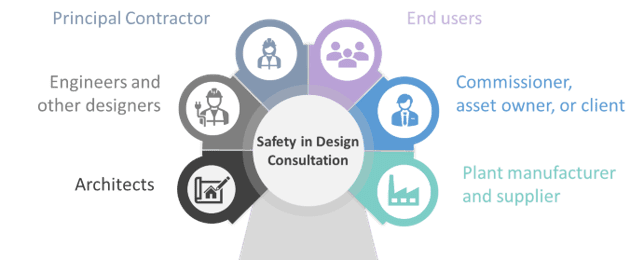
Consultation, cooperation and coordination
Information transfer
Q4. What is in a typical Safety in Design Report?
FEFO Consulting conduct a systematic risk assessment process of your residential or commercial design and recommend control measures that you as a designer can implement to reduce these risks. You can select which options you wish to adopt.
Our safe design report details the outcomes of this systematic risk management process including outlining the designer’s statutory requirements, providing a hazard table specific to the design showing the before and after risk levels and listing the applicable codes of practice and Australian standards needed to control the identified hazards.
Our unique Safety in Design Risk Workshops help facilitate innovative solutions by combining different stages of the asset lifecycle with each element of the design.
SiD Consultation
Q5. Who receives Safety in Design information?
It is a WHS legal requirement for the designer to provide a safety report to the person who commissions the work (PCBU). In addition to this, anyone who receives a copy of your design should also receive your safe design information. Safe Work Australia advise that you would be required to issue your safe design information with your plans to persons such as the client, certifier, Council and the builder.
There is often a confusion between roles, given the number of potential stakeholders involved with coordinating Safety in Design.
Download “Summary of Duties” Factsheet to understand the specific safety in design responsibilities of the Designer, Client and Principal Contractor.
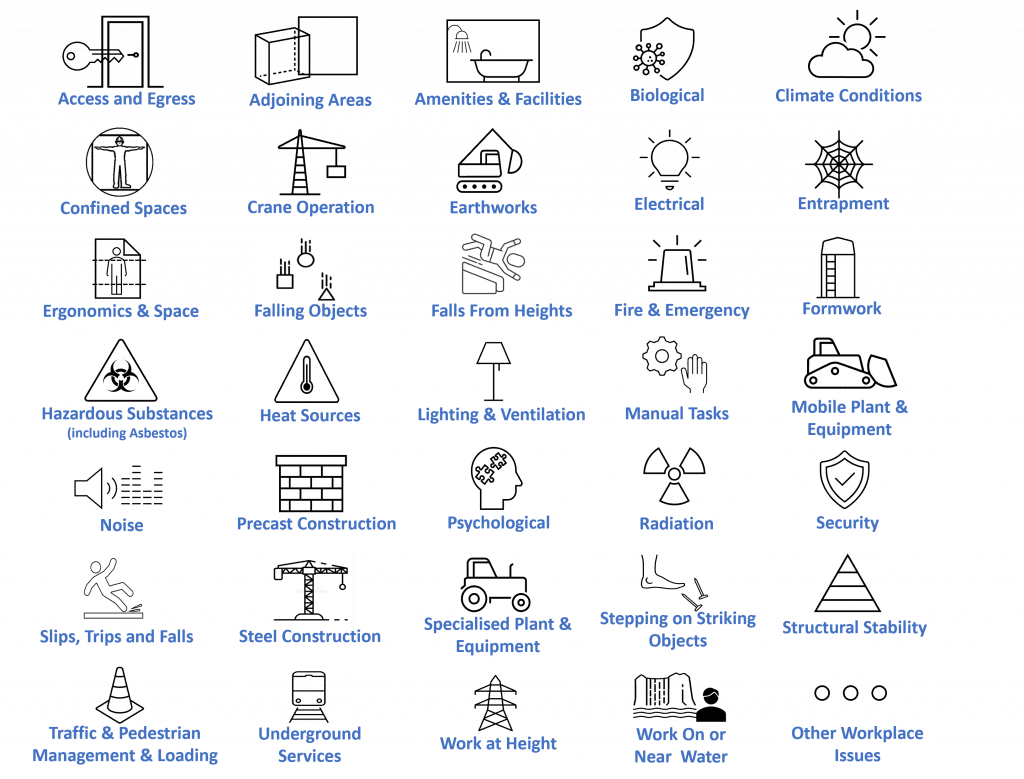
Q6. What are examples of Safety in Design hazards?
Examples of SiD risks may include:
Air contaminants
Access and egress
Chemicals and dangerous goods
Confined Spaces
Fall hazards eg. terrain, slope or existing structures
Facades and maintenance
Neighbouring properties or people
Noise
Plant and equipment
Radiation or biological
Services, e.g. overhead, concealed, underground
Soils contaminants, e.g. asbestos
Q7. What training is required?
In addition to core design capabilities relevant to the designer’s role, a designer should also have:
Knowledge of work health and safety legislation, codes of practice and other regulatory requirements
Understanding of the intended purpose of the structure
Knowledge of risk management processes
Knowledge of technical design standards
Appreciation of construction methods and their impact on the design, and
Ability to source and apply relevant data on human dimensions, capacities and behaviours.
Often the best way to manage safety in design risk is leverage capability of a cross section of stakeholders in a structured Safety in Design Risk Workshop facilitated by an expert.
We have partnered with the very best organisations and completed Safety in Design work for many clients across a range of building, civil and infrastructure construction projects.
Our practical experience extends through the entire lifecycle of structure to enable us to provide innovative solutions early in the design process.
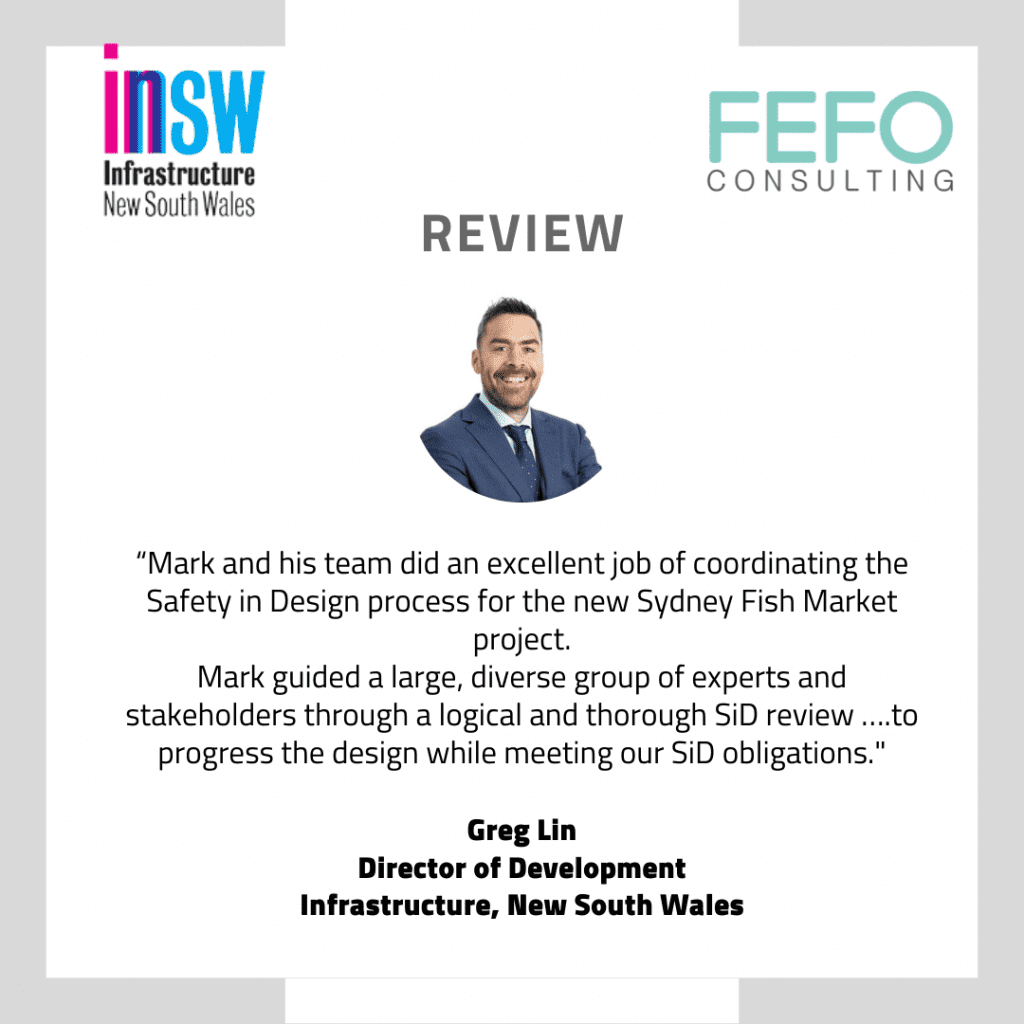
Q9. What do our clients say?
We value the needs of our stakeholder and encourage transparent and candid feedback.
Safety in Design Review
Q10.Where can I get more information?
Contact us anytime to understand more about safety in design.