
FEFO Consulting

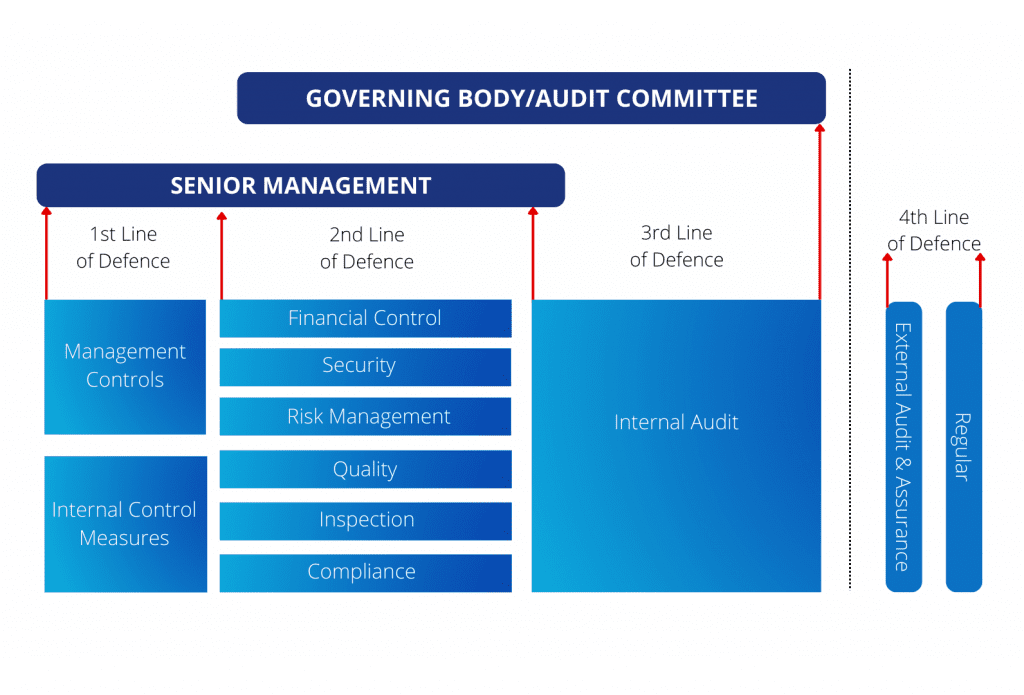
The Four Lines of Defence model is a valuable framework for assessing and enhancing an organisation’s risk management, control, and assurance processes. It helps organisations understand the different layers of protection and oversight. Let’s break down each line:

First Line of Defence: Control Frameworks and Day-to-Day Controls

The first line encompasses the organisation’s day-to-day operations and includes control frameworks, risk management systems, and controls over operational processes. These controls are implemented by staff directly involved in the business processes. Examples include transactional controls, quality checks, and approval processes.

Second Line of Defence: Management Review

The second line involves independent review separate from day-to-day operations. It includes risk and compliance reviews, financial controls oversight, and board-level supervision. Reviewers are not directly responsible for the areas being reviewed, introducing a degree of independence.

Third Line of Defence: Internal Audit

The third line consists of the internal audit function. Internal auditors provide independent assessments of controls, risk management, and compliance. They evaluate the effectiveness of controls and identify areas for improvement.

Fourth Line of Defence: External Assurance

The fourth line focuses on external assurances provided by external assessors, regulators, and other external bodies. These external parties assess an organisation’s controls, financial reporting, and compliance. Examples include external audits, regulatory inspections, and certifications.

The Importance of External Assurance

The fourth line of defence plays a pivotal role in ensuring transparency, accountability, and trust. Let’s explore its components:

External Audits

Regulatory Inspections

Certifications and Standards

In summary, the fourth line of defence provides external validation—assuring stakeholders that an organisation’s controls and processes meet high standards. Organisations must actively engage with external assessors and regulators to maintain trust and credibility.

Our team at FEFO Consulting conduct diagnostic surveys that play a critical role in validating an organisation’s processes, controls, and compliance. We operate independently of the organisation, ensuring objectivity in our assessments that brings a fresh and valuable viewpoint.

Remember, while the first three lines of defence are essential, the fourth line adds an extra layer of confidence through external scrutiny.

To learn more about using external survey as a form of assurance, contact us.

In recent years, Australia has witnessed a significant increase in the demand for health and safety professionals. The ever-evolving regulatory landscape, heightened awareness of workplace safety, and a growing emphasis on employee wellbeing have all contributed to this surge in demand. Businesses across various industries are recognizing the need to invest in health and safety, not just as a legal requirement but as a crucial aspect of their corporate culture. As this demand continues to grow, businesses are exploring innovative solutions like Business Process Outsourcing (BPO) to meet their safety professional needs efficiently.

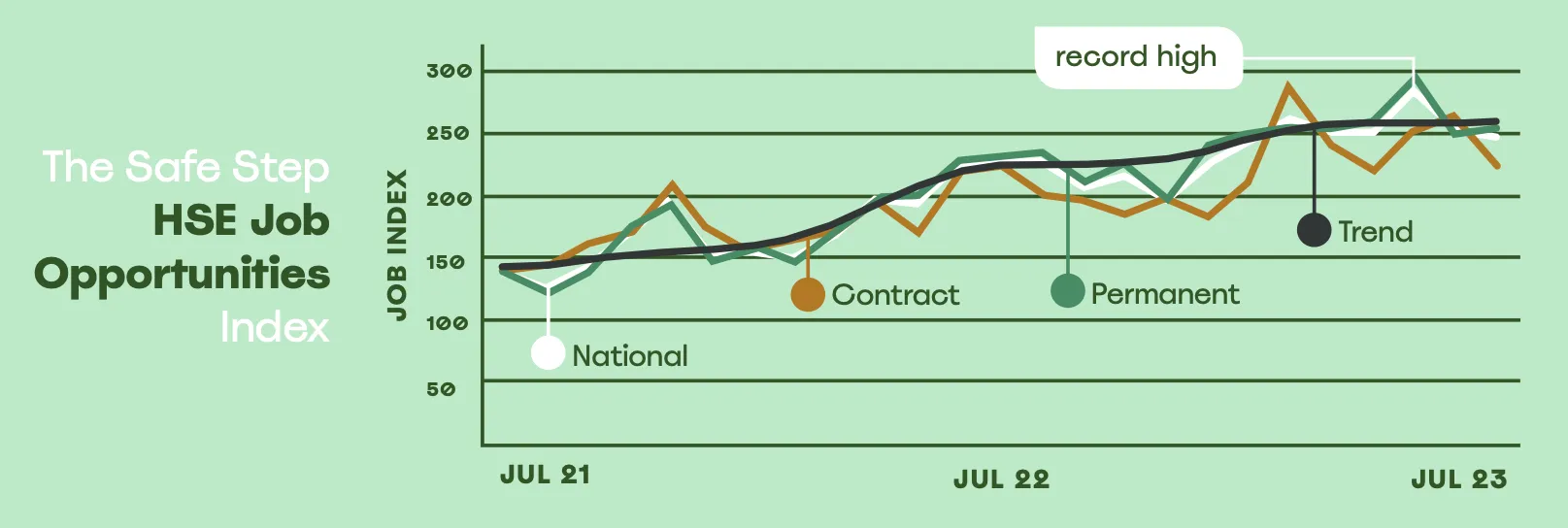
According to The Safe Step‘s HSE job market report, demand in HSE somewhat stabilised but still at a records high as of the second half of 2023. Demand for workplace health and safety professionals hit an all-time high in May and in July was 7.8% higher, year-on year.

To meet the growing demand for health and safety professionals, businesses may explore alternative solutions such as outsourcing health and safety services to industry known organisations such as FEFO Consulting who can provide expert advice on matters of health, safety, environment and wellbeing.

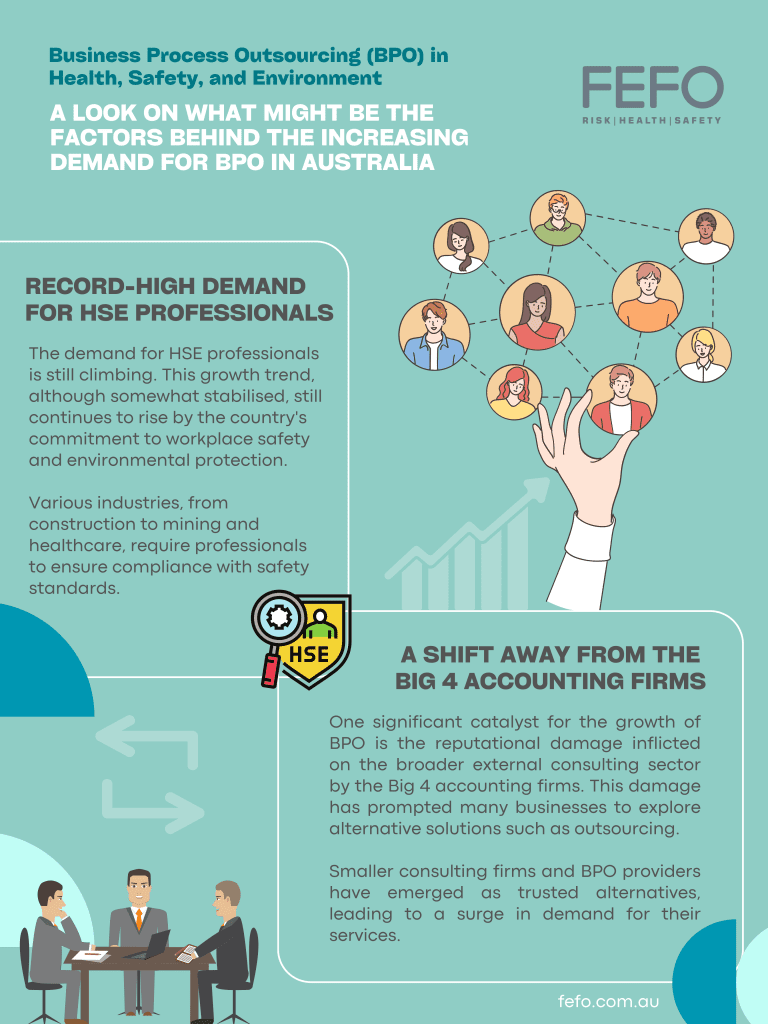
Let’s take a look on what might be the factors behind the increasing demand for BPO in Australia:

  1. Record-high Demand for HSE professionals: The demand for HSE professionals is still climbing. This growth trend, although somewhat stabilised, still continues to rise by the country’s commitment to workplace safety and environmental protection. Various industries, from construction to mining and healthcare, require professionals to ensure compliance with safety standards.
  2. A Shift Away from the Big 4 Accounting Firms: One significant catalyst for the growth of BPO is the reputational damage inflicted on the broader external consulting sector by the Big 4 accounting firms. This damage has prompted many businesses to explore alternative solutions such as outsourcing. Smaller consulting firms and BPO providers have emerged as trusted alternatives, leading to a surge in demand for their services.

Industry Leading Practices

Within the safety industry, outsourcing risk, safety and wellbeing services is becoming an effective alternative for many organisations due to skill shortages, technology enabling access to external talent, and the increasing level of acceptance to work remotely “on demand”.

FEFO Consulting continues to partner with a diverse range of organisations across Australia and New Zealand to deliver exceptional health and safety solutions. Our BPO experience includes large scale retained services across a range of industries and disciplines, e.g. labour-hire, events & leisure, and heavy industrial equipment.

  • Assurance – Independent recurring assessments 
  • Incident Response – “On call” and available to support incident response and critical incident investigations  
  • Risk Assessments – Large volume, transactional work 
  • Workshop & Training – Facilitation and training sessions.

Tips for Outsourcing

Here are a few tips when outsourcing health and safety activity: 

  1. Strategy – Be clear on your strategic choices to improve health & safety activity. 
  2. Segment Work – Group work into segments, e.g. strategy & innovation, core business, transaction processes, independent verifications.
  3. Resourcing – Evaluate resourcing options based on capacity and capability now and in the future. Be clear on your selection criteria, e,g., share values, capacity and capability fit.
  4. Measure Success Be clear on how you will measure and know your resourcing choices are successful and celebrate success!

Resourcing with FEFO

Is your current risk, health and safety resource model effective? Could you benefit from outsourcing Health and Safety?

FEFO Consulting is proud to deliver innovative solutions and effective outcomes.

Contact us to discuss your needs and how we may be able to help.

FEFO Consulting is dedicated to helping organisations and individuals discover the unknown and identify their blind spots. Through a combination of reliable surveys and experts assessments, we provide accurate insights that guide performance improvement and growth. Let’s delve into how our unique approach works.

Reliable Surveys: Diagnostics Dx

Our Diagnostic (Dx) process utilizes statistically reliable survey benchmarks. This method allows us to gather feedback on a grand scale. It’s not just about collecting responses, but about understanding patterns and trends that help build high performance. We believe that every voice matters, and through our surveys, we make sure every voice is heard.

Experts Assessments: Assessments Ax

Our Assessments (Ax) involve experts evaluating performance against a structured Maturity Model. These assessments are carried out by seasoned professionals who have years of experience in their respective fields. They use a comprehensive and structured model to evaluate and rate performance. This model provides a clear framework for identifying strengths and areas for improvement.

Wide Range of Assessment Areas

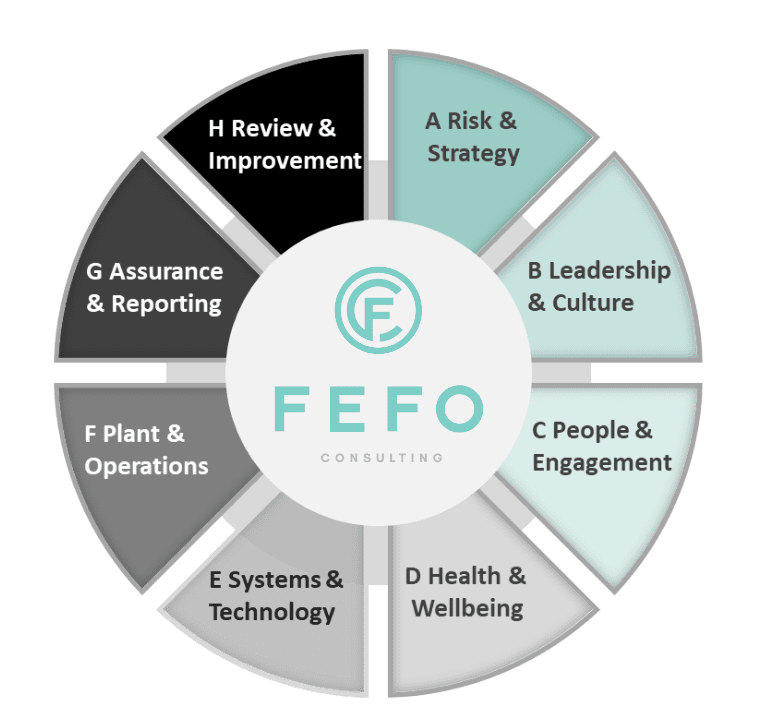
Our assessments aren’t just confined to one or two areas. We believe in providing comprehensive insights, and for that, we cover a wide range of areas. Some of the key areas include:

And that’s not all. We have many more areas that we cover in our assessments. Each area is carefully chosen and evaluated to provide a holistic view of the organisation’s performance and potential blind spots.

The Ultimate Goal: Discover the Unknown

Our ultimate aim is to help you discover the unknown. We believe that every organisation and individual has the potential to grow and excel. But sometimes, blind spots can hinder progress. By identifying these blind spots, we provide a clear path for improvement and success. We believe that our unique approach of combining reliable surveys and expert assessments can help in this endeavor.

So, if you’re ready to discover your blind spots and take your performance to the next level, get in touch with us today. We’re here to help you succeed.

Is your health & safety strategy effective?

Do your metrics allow you to learn, adjust and improve?

If either your strategy is wrong or metrics are in effective, there is a good chance there are lost opportunities for success.

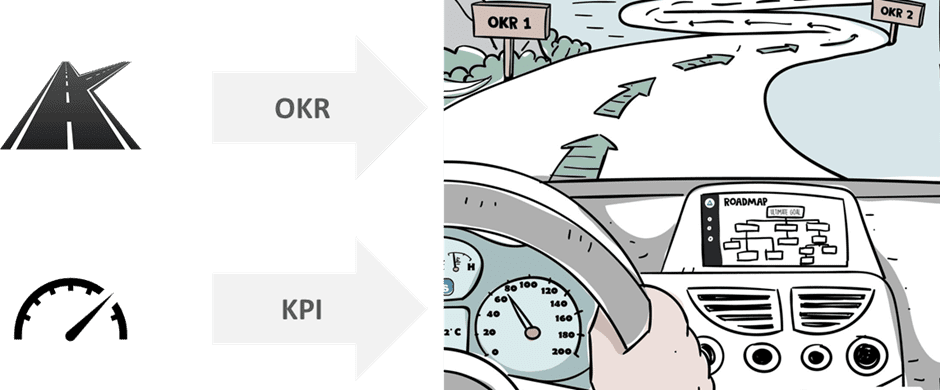
The Objective and Key Results (OKR) approach to setting goals is a great way to effectively support a strategy and has been used at Google, LinkedIn Airbnb, and many more. OKR’s are often complimented by Key Performance Indicators (KPI).

Overreliance on indicators, rather than the destination

OKR vs KPI

So, what is the difference between OKR’s and KPI’s?

Objective & Key Results (OKR)

Key Performance Indicator (KPI)

One of the key differences between OKRs and KPIs is the intention behind the goal setting. KPI goals are typically obtainable and represent the output of a process or project already in place, while OKR goals are somewhat more aggressive and ambitious.

However, while OKR goals should be bold, they shouldn’t be unreachable. The idea behind this strategy is that by crafting aggressive OKRs, you can push your team (and yourself) to perform that much better.

Where to focus your effort, OKR’s or KPI’s?

OKR’s in Action

The Objective is qualitative, and is supported by about 3-5 Key Results, which are quantitative. They are used to focus a group or individual around a bold goal. Key Result metrics tell you if the objective are met in a given period of time typically rated from 0.0 – 1.0.

Most Key Results are evaluated each quarter to inform the next quarter’s work. It’s important the outcomes of evaluating Key Results promote high performance with a focus on the desired behaviour.  Often incentivising teams with praise and recognition is great way to encourage and motivate, rather than focusing on negatives.

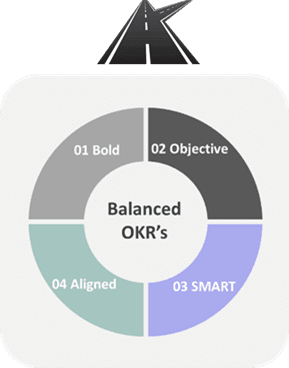
What makes a Good OKR?

  • Bold: Effective OKRs represent meaningful change, improvement, and growth. OKR’s outline priorities for the next 30-90 days.
  • Objective: Effective Objectives are meaningful, audacious and inspiring.
  • Effective Key Results:  Specific and timebound, aggressive and realistic, measurable and verifiable.
  • Aligned: Organisational OKR’s should cascade to teams and individuals.

What is a KPI?

Key Performance Indicators (KPIs) are used to evaluate performance over time for an organization, individual, program, project, action, etc. While you may have some outliers, these indicators are often measured against targets.

We highly recommend you make your KPIs measurable. Adding quantitative value makes it easier to provide context and compare performance for whatever you’re measuring. Creating qualitative KPIs is possible, but not advisable because this structure can lead to confusion and subjective interpretations of data.

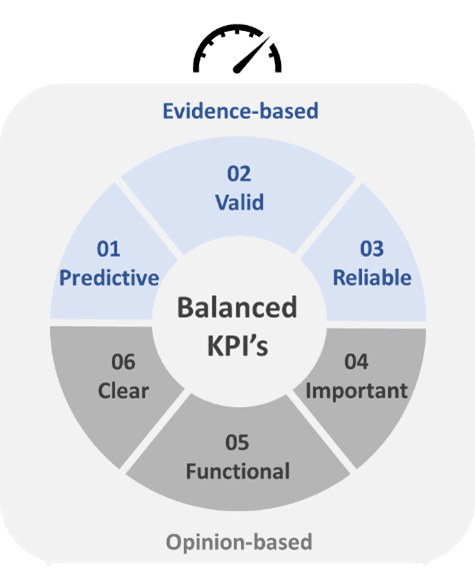
What makes a good KPI?

Good KPI combine a balanced approach to include both Evidence-Based and Opinion-Based metrics:

  • Predictive: Accurately forecasts the future.
  • Valid: Measures what you intended, statistically meaningful.
  • Reliable: Repeatable providing statistically consistent results.
  • Important: Directly reflects an outcome that matters.
  • Functional: Used to inform operational and strategic risk. Balances compliance vs performance.
  • Clear: Understood and easily communicated.
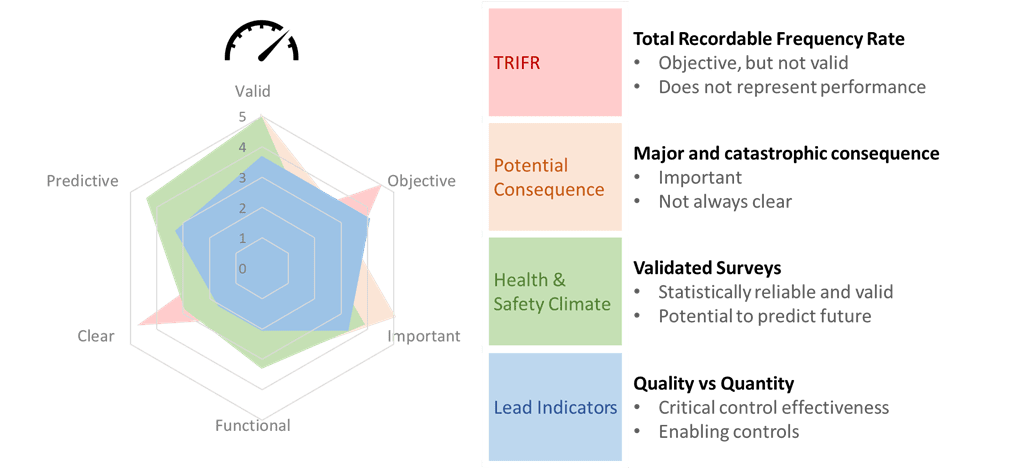
What makes a good health & safety KPI?

When selecting the right KPI, it’s important get the balance right. Examples of KPI’s are outlined below:  

A balanced approach to KPI’s
Tailoring metrics to suit your organisations maturity

Executing the Strategy

Developing measures for success with OKR’s and KPI’s is an important step, but only one component to develop and deploy an effective strategy. To get started, refer to some additional resources below:

If you need some guidance on developing and deploying an effective strategy, contact us today.

Download our OKR Template

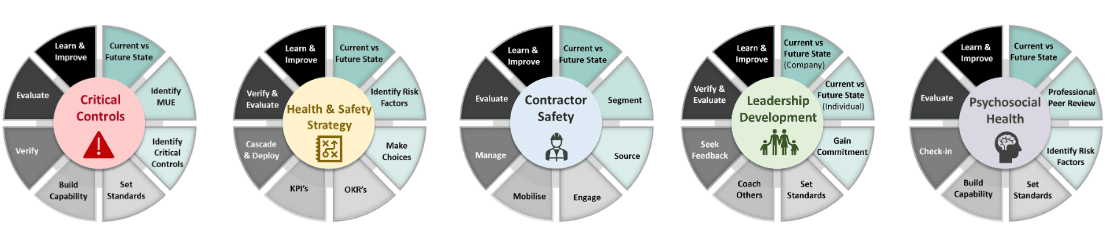
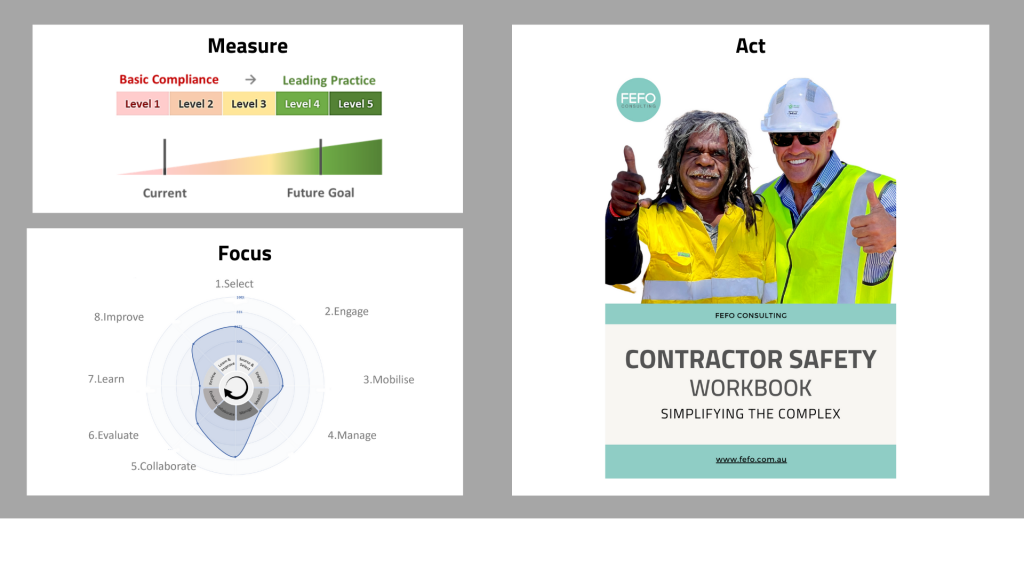
FEFO Consulting recently launched our Contractor Safety Workbook, a step-by-step guide to managing contractor and supplier safety. Our Workbook provides a framework for taking a risk-based approach a strong justification for “simplification” to make life easier and controls more effective.

This workbook covers:

  1. Current Reality
  2. Select & Engage
  3. Mobilise & Manage
  4. Evaluate & Collaborate
  5. Learn & Improve

This Workbook “Choose Your Own Adventure” is supported by a simple self-assessment tool enabling you to understand your Current Reality vs Desired State with a selection of 5 different options based on your desired maturity level.

This covers a number of different contracting arrangements, e.g., Labour-hire, Principal Contractors, and independent contractors.

Our Unique Assessment Method

What is your Current vs Desired State?

Not all businesses are created equal. Different industry, needs, stakeholders and capability. For this reason, we developed a 5 Level maturity assessment approach, allowing organisations to set their own goals. 

“Avoid using a sledgehammer to crack a nut!”

Choose your own goals, and we tailor both the assessment and solutions to meet your needs. Based on your results, we provide unique solutions to meet your need. 

4-Steps to Contractor Safety

  1. Segment & Source – Apply a risk-based approach to categorise contractors, confirm methods of sourcing and contract agreements.
  2. Engage & Mobilise – Pre-qualify to ensure compliance and maximize value. Induct, set clear expectations and verify permits.
  3. Manage & Monitor – Manage contractors, verify effectiveness and provide assurance.
  4. Review & Improve – Review arrangements, share learning and ensure continuous improvement.

Contact us for a free discovery session to assist with contractor safety and an outline of our new Contractor Safety Workbook: A Step-by-Step resource to effectively implement contractors and suppliers.

Business Process Outsourcing (BPO) is a practice in which an organisation engages a third party to perform projects, tasks, handle operations or provide general services, e.g., subcontractors performing essential business operations in lieu of using internal staff.

While many businesses have used external service providers, including freelancers, independent contractors and large-scale third-party enterprises at some point, the use of BPO has continued to expand. 

“Thanks to its many benefits and ease of access, I believe business process outsourcing is here to stay and will be adopted by businesses of all sizes.” – Mark Thacker, President of Sales Xceleration

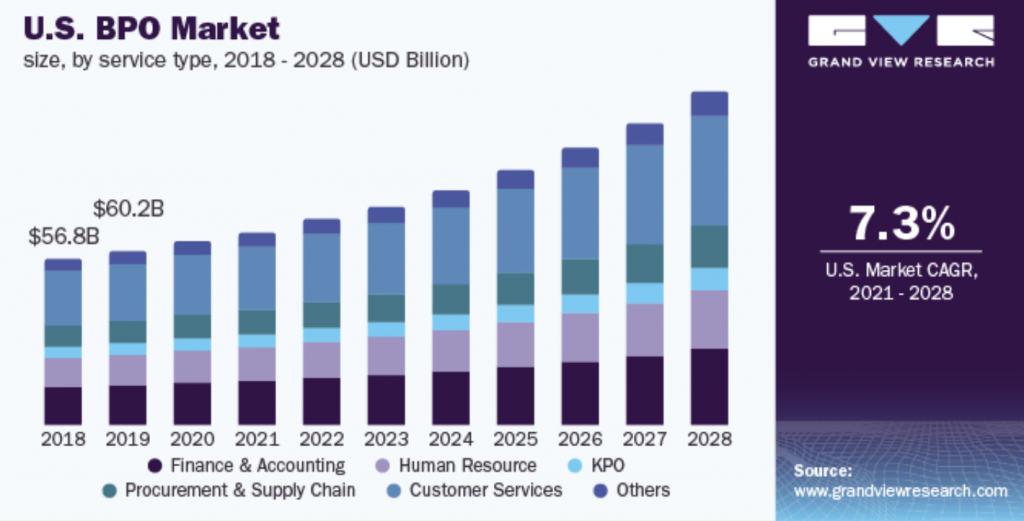
A recent article from Grand View Research, would suggest there is an increasing trend for businesses using BPO in the coming years.

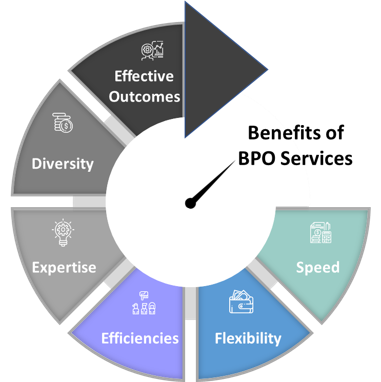
Although outsourcing had been viewed as a way to lower costs and gain efficiencies, it is increasingly becoming a strategic tool for organisations for many others reasons, including: 

Effective BPO enables organisations to focus on core business activity and strategic priorities – smarter ways to achieve effective outcomes.

Industry Leading Practices

Procter and Gamble (P&G) are world renowned pioneers of outsourcing. P&G seriously started outsourcing their Global Business Services (GBS) in 1999 – yep, last century. The P&G journey has evolved to use Artificial Intelligence (AI) such as bots for non-core, low-value transactional activity. 

Within the safety industry outsourcing risk, safety and wellbeing services is becoming a real option for many organisations due to skill shortages, technology enabling access external talent, and the increasing level of acceptance to work remotely “on demand”. 

FEFO Consulting continues to partner with a diverse range of organisations to provide risk, safety, and wellbeing services. Our BPO experience include large scale retained services across a range of industries and disciplines, across Australia and New Zealand, e.g. labour-hire, events & leisure, heavy industrial equipment.

Outsourcing Safely: Client Interview

Interview with Trent O’Hara, Group Manager Workplace Health and Safety from Belgravia, on the benefits of outsourcing.

  1. As HSE Manager, why is a verification process important to you?

A verification process is important to ensure high standards of auditing are being carried out at local level. The verification process allows us to spend valuable time with local level managers, in supporting, training and helping managers understand how best to undertake and answer their audit questions, ensuring that the work they have done on their WHS Audits meets the benchmark standards we set for every site.

  1. You recently engaged Fefo to conduct a verification review program – what was the driving factor for this project?

The driving factor was to ensure that we reach the highest possible WHS auditing standards to ensure the safety of our staff and members of the public is at the forefront of how we operate our business.

  1. What are the key benefits of the verification review process 

The key benefits of the verification process include ensuring we meet our ISO 45001 WHS Management System Certification criteria and providing our local managers with the guidance and support necessary to understand how to correctly audit their sites and reach the highest safety standards.  

  1. Why did you engage Fefo Consulting?

Fefo Consulting were engaged as they have an outstanding reputation within WHS circles and have experience in many industries, including ours being sport and leisure management. They have excellent customer service and are really flexible with our needs and requirements to execute the program. 

  1. What are the benefits to you / Belgravia to outsource health and safety services?

The verification audit program adds to our existing self-auditing and 3rd party ISO auditing programs, which form our fortification of safety pillar system. Having an external eye to verify any gaps and issues we need to work on is a key part of the program to eliminate any internal bias. Having a trusted organisation such as Fefo Consulting overseeing our program, gives us the confidence that we are meeting our WHS legislative duties of ensuring high levels of safety within our organisation auditing operations.

Tips for Outsourcing

Here are a few tips when outsourcing health and safety activity: 

  1. Strategy – Be clear on your strategic choices to improve health & safety activity. 
  2. Segment Work – Group work into segments, e.g. strategy & innovation, core business, transaction processes, independent verifications
  3. Resourcing – Evaluate resourcing options based on capacity and capability now and in the future. Be clear on your selection criteria, e,g., share values, capacity and capability fit
  4. Measure Success Be clear on how you will measure and know your resourcing choices are successful and celebrate success!

Resourcing in 2022

Is your current risk, health and safety resource model effective and ready 2022?

FEFO Consulting are proud to deliver innovative solutions and effective outcomes.

Contact us to discuss your needs and how we may be able to help.

What we do

We help organisations simplify critical aspects of health and safety by strengthening controls and enabling high performance.